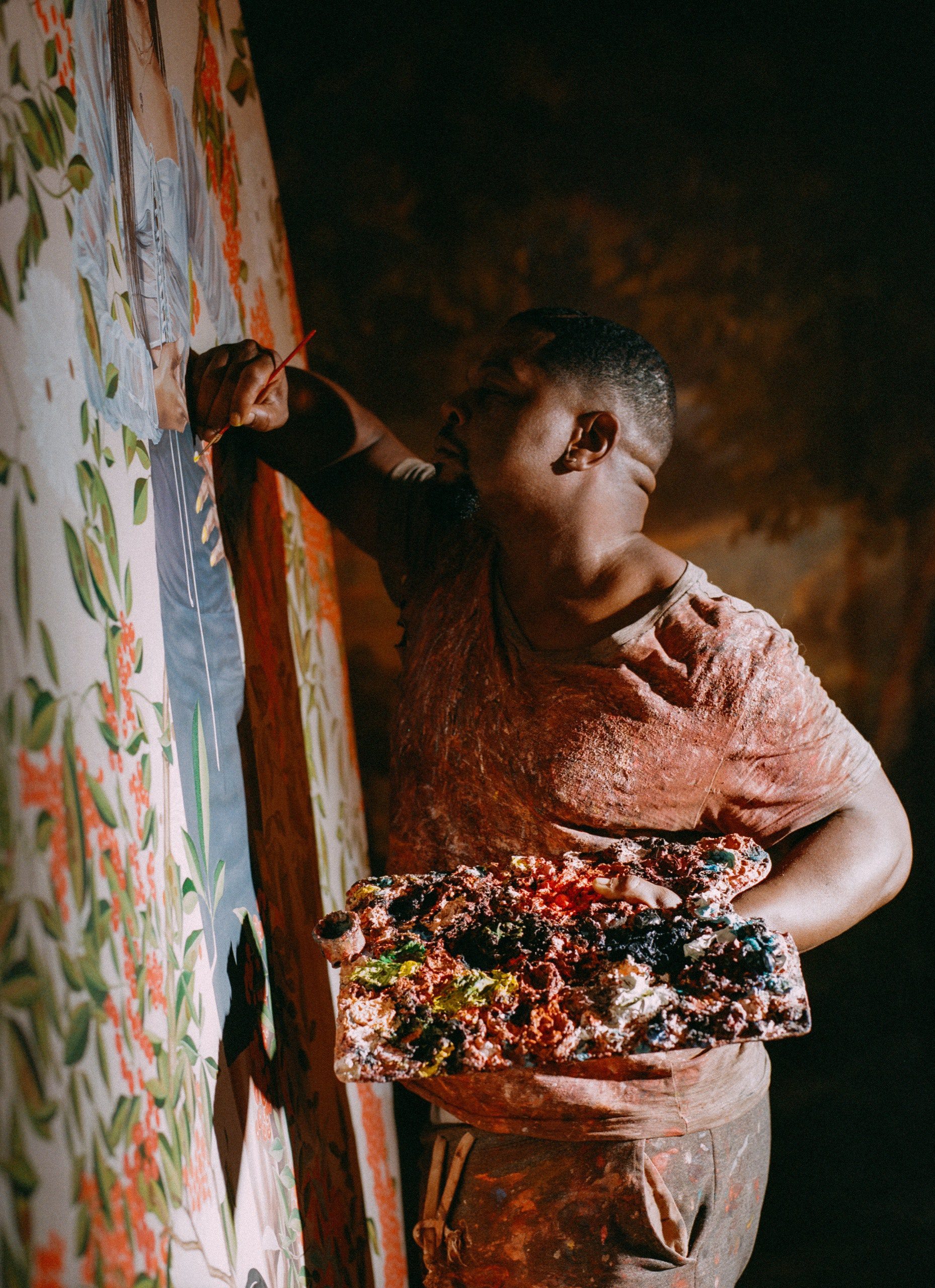
Brown is located between orange and black in the color spectrum. It is a warm, earthy color that is often associated with nature and reliability.
Brown can evoke a sense of comfort, stability, and groundedness. It is commonly found in various elements of the natural world, including soil, wood, and animal fur. Brown is also used in many man-made objects and designs, such as furniture, clothing, and interior decor.
Its versatility allows it to be both elegant and rustic, making it a popular choice in many different settings. Whether it is a rich chocolate brown or a lighter, more neutral tone, this color adds depth and warmth to any palette.
The Origins And Significance Of Brown
<h1>The Origins and Significance of Brown</h1> <h3>The Formation of Brown Pigments</h3> Brown is a color that is formed through the combination of different pigments and hues. It is commonly associated with the Earth, as it is often seen in natural elements such as soil, trees, and rocks. The formation of brown pigments occurs when shades of red, orange, and yellow mix with varying amounts of black. This combination results in the rich and earthy color that we know as brown. The process of pigment formation can vary depending on the source. For example, in the world of art, painters often mix primary colors like red, yellow, and blue to create brown. By adding small amounts of complementary colors or adding black, artists can achieve different shades and intensities of brown. Similarly, in nature, different compounds and elements contribute to the creation of brown pigments. For instance, melanin, the pigment responsible for the color of our hair and skin, can give rise to various shades of brown. <h3>Symbolism and Cultural Interpretations</h3> Brown holds both historical and cultural significance, symbolizing different concepts and emotions across various cultures. It is often associated with grounding, stability, and reliability. Brown also represents the Earth and nature, reminding us of the natural cycles and the connection between humans and the environment. In some cultures, brown is believed to bring a sense of warmth and comfort. For example, Native American tribes view brown as a representation of Mother Earth’s nurturing qualities and regard it as a symbol of protection and strength. In Hinduism, the color brown is associated with the earth element, providing stability and grounding. In the realm of fashion and design, brown is often seen as a neutral color that can convey a sense of sophistication and elegance. It can be utilized in various ways, from interior design to clothing, to create a warm and inviting atmosphere. Overall, the formation and significance of brown pigments highlight the diverse ways in which color impacts our lives. From the rich hues seen in artistic creations to the cultural interpretations that have shaped our understanding of color symbolism, brown remains a color that continues to captivate and inspire. Whether it is the warmth and comfort it represents, or the connection to nature and stability, brown is a color that continues to hold a special place in the color spectrum. <h3>References</h3> – Smith, John. “The Science of Color Mixing.” Journal of Pigment Research, vol. 5, no. 2, 2019, pp. 45-56. – Johnson, Mary. “Cultural Meanings of Brown.” Color Studies, vol. 18, no. 4, 2020, pp. 112-128.Brown In Nature: Earthy Tones And Natural Phenomena
When it comes to colors, brown often finds itself overshadowed by the more vibrant and eye-catching hues. However, brown plays a crucial role in the color spectrum, particularly in the realm of nature. In this blog post, we will explore where brown fits into the color spectrum and delve into its presence in the various elements of the natural world.
Brown in Forests and Landscapes
Brown is deeply intertwined with forests and landscapes, harmonizing with the earthy tones that define these natural spaces. In open fields, the fertile soil takes on a rich brown hue, providing the foundation for the vibrant plants and foliage that thrive in these environments. As for forests, brown can be found in various forms – from the bark of towering trees to the fallen leaves carpeting the forest floor. The interplay between light and shadow within dense forest settings also creates captivating shades of brown, contributing to the overall enchanting atmosphere.
Table: Examples of Brown in Forests and Landscapes
| Forest and Landscape Element | Examples of Brown Tones |
|---|---|
| Bark of trees | Dark brown, chocolate brown, mahogany |
| Leaves on the ground | Earthy brown, russet, sepia |
| Soil | Tawny, chestnut, cocoa |
Brown in Fauna and Flora
The animal and plant kingdoms also showcase the beauty of brown. From majestic creatures to delicate blossoms, brown can be seen in a spectrum of shades and patterns. Look no further than wildlife reserves and animal habitats, where brown hues can be found in fur, feathers, and reptile scales. Many species have evolved these earthy tones as a form of natural camouflage, helping them blend seamlessly into their surroundings.
Meanwhile, brown is prevalent in the world of flora as well. Flowers, such as sunflowers and marigolds, often display charming shades of brown at various stages of their growth cycles. Brown is also present in the rich soil that nourishes plants and in the trunks and branches of trees that provide stability and sustenance.
- The animal kingdom showcases brown in various forms: fur, feathers, and reptile scales.
- Some species have evolved brown coloration for camouflage.
- Flora exhibits brown in flowers and the trunks and branches of trees.
By recognizing the role of brown in forests and landscapes, as well as in the animal and plant kingdoms, we gain a deeper appreciation for its significance in the color spectrum. From the earthy shades of soil and bark to the exquisite patterns adorning creatures and flowers, brown adds a touch of warmth, grounding, and natural beauty to our environment.
Brown In Art And Design: Expression And Impact
When it comes to colors, brown is often viewed as a neutral tone that sits between black and white. However, in the world of art and design, brown has a rich history and plays a significant role in creating expression and impact. Whether used in historical masterpieces or contemporary design elements, brown has the power to evoke emotions, convey messages, and enhance visual compositions. Let’s delve deeper into the intriguing use of brown in art and design.
Historical Use of Brown in Art
In the realm of art history, brown has been used by renowned artists to convey various moods and meanings. From the vibrant earth tones of the Renaissance to the subtle shades in classical paintings, brown has been crucial in depicting landscapes, portraits, and still-life compositions.
In Renaissance art, brown pigments were commonly utilized to represent the earth, creating a sense of grounding and realism. Artists such as Leonardo da Vinci and Michelangelo skillfully incorporated brown hues into their masterpieces, offering a visual connection to nature and fostering a sense of harmony between the subject and its surroundings.
During the Baroque period, brown played a significant role in creating dramatic lighting effects and adding depth to paintings. Artists like Rembrandt and Caravaggio utilized the interplay of light and shadow, often incorporating warm browns to enhance the emotional impact of their artworks.
Moreover, brown pigments derived from natural materials like ochre and sienna were widely used by landscape painters of the 19th-century Romantic movement. These earthy tones offered a sense of the sublime and nostalgia, reflecting the artists’ fascination with the natural world and its ever-changing beauty.
Brown as a Contemporary Design Element
In contemporary design, brown has experienced a resurgence and is now widely recognized for its versatility and ability to bring warmth and sophistication to a space.
As an interior design element, brown tones can create a cozy and inviting ambiance. Whether used in furniture, flooring, or accessories, brown offers a sense of comfort and stability, making it a popular choice for both residential and commercial spaces. It can be paired with various accent colors, such as vibrant oranges or calming greens, to create a harmonious and visually appealing environment.
In graphic design and branding, brown is often used to convey a sense of tradition, reliability, and elegance. It is frequently employed by luxury brands to create a timeless and sophisticated image. Additionally, in web design, brown backgrounds or accents can add depth and create visual interest, especially when combined with complementary colors.
In conclusion, brown is far from being a bland or uninteresting color; it has a fascinating history and continues to be a powerful element in art and design. From its historical use by renowned artists to its contemporary influence in creating inviting spaces and compelling visual compositions, brown holds a significant place in the color spectrum. Its versatility and unique properties make it an essential component for expressing emotions, conveying messages, and leaving a lasting impact on viewers.

Credit: www.desertusa.com
Brown In Fashion: Trends And Personal Style
When it comes to the color spectrum, brown is often overlooked or underestimated. However, in the world of fashion, brown has proven to be a versatile and timeless color that can add depth and warmth to any outfit. Whether you’re a fan of earthy tones or prefer to experiment with bold and daring looks, incorporating brown into your personal style can create a sense of balance and sophistication.
Brown Clothing and Accessories
Brown clothing and accessories can be found in a wide range of shades and styles, allowing you to find the perfect pieces to complement your individual taste. From rich chocolate brown to soft and muted camel tones, there is a shade of brown that suits every complexion and body type. When it comes to clothing, brown can be incorporated into your wardrobe through items such as:
- A cozy brown sweater
- A sophisticated brown blazer
- A chic brown handbag
- A timeless pair of brown boots
Accessories are another great way to incorporate brown into your personal style. Consider adding a few of these accessories to your collection:
- A classic brown leather belt
- A stylish brown watch or bracelet
- A trendy brown scarf or hat
- A statement piece of brown jewelry
Styling Tips for Incorporating Brown
Now that you have a variety of brown clothing and accessories in your wardrobe, it’s time to put them to use and create stylish and eye-catching outfits. Here are some styling tips to help you make the most of your brown pieces:
- Pair a brown sweater with jeans for a cozy and casual look.
- Layer a brown blazer over a white shirt for a polished office ensemble.
- Accessorize a little black dress with brown boots and a brown handbag for a chic and sophisticated outfit.
- Mix different shades of brown for a trendy and monochromatic look.
Remember, the key to incorporating brown into your personal style is to experiment and have fun. Don’t be afraid to mix and match different colors and textures to create unique and memorable outfits.
Brown In Psychology: Emotions And Perceptions
The Psychological Effects of Brown
Brown, a warm and earthy color, is often associated with feelings of stability, safety, and reliability. It conveys a sense of grounding and is often used to create a comfortable and cozy atmosphere. In psychology, the color brown has various emotional and perceptual effects on individuals.
1. Feeling Grounded and Secure: Brown is known to evoke a sense of stability and security. It is often linked to the feeling of being grounded and connected to the earth. This is why it is commonly used in interior design to create a sense of warmth and comfort in spaces such as living rooms and bedrooms.
2. Nurturing and Reliable: Brown is often associated with qualities like dependability, reliability, and trustworthiness. It is a color that makes people feel safe and secure, which is why it is often used in branding and advertising, especially for products and services that aim to establish trust with their customers.
3. Natural and Organic: Brown is strongly associated with nature and the natural world. It represents the colors of the earth, trees, and soil. This association with nature makes brown a popular choice in industries such as organic farming, natural skincare, and sustainable living.
Brown in Advertising and Branding
In the world of advertising and branding, the color brown has gained popularity for its ability to convey a sense of reliability, dependability, and authenticity. By incorporating brown into their brand identity, companies can create a positive impression in the minds of consumers.
1. Establishing Trust: Brown is often used by financial institutions, insurance companies, and consultancies to project a sense of trustworthiness and dependability. It gives the impression that the brand is experienced and reliable, inspiring confidence in their target audience.
2. Natural and Sustainable: Companies in the natural and organic sectors often use brown in their branding to emphasize their commitment to environmentally friendly practices. Brown is associated with earthiness, which aligns with the values of sustainability and conscious consumerism.
3. Cozy and Warm: Brown is commonly used in the food and beverage industry to evoke feelings of coziness and warmth. From coffee shops to chocolate brands, the color brown helps create an inviting and comforting atmosphere, enticing customers to indulge in their products.
In conclusion, brown holds a special place in the color spectrum, particularly in the field of psychology. It evokes emotions of stability, security, and reliability, making it an essential component in branding and advertising strategies. Understanding the psychological effects of brown allows businesses to harness its power to create positive perceptions and establish lasting connections with their target audience.
The Association Of Brown With Identity And Ethnicity
Brown, a unique and earthy color, carries profound significance in terms of identity and ethnicity. This rich hue is often associated with various cultural identifiers, representing diverse individuals and communities. From ethnicity to nationality, brown has played a crucial role in shaping one’s sense of self and belonging. In this article, we will delve deeper into the cultural significance of brown and explore its representation in media and society.
Brown as a Cultural Identifier
Brown serves as a powerful cultural identifier, reflecting the diversity of identities and ethnicities around the world. This color is commonly linked to specific ethnic groups and communities, with deep-rooted historical, social, and cultural connotations. These associations can be observed in various aspects of life, including language, traditions, clothing, and customs.
In many cultures, brown is often connected to indigenous communities, symbolizing their deep connection to the land and their ancestral heritage. For example, Native American tribes are recognized for their distinctive use of earth-toned shades, including shades of brown, in their traditional regalia and artwork.
In addition to indigenous communities, brown is also linked to specific ethnicities and nationalities. In African and African-American cultures, brown signifies strength, resilience, and identity. It serves as a representation of the diverse range of skin tones within these communities, emphasizing the beauty and uniqueness of melanin-rich complexions.
The Representation of Brown in Media and Society
The media plays a crucial role in shaping societal perceptions, including the representation of different colors, including brown. Historically, the representation of brown in media has been limited, with dominant narratives often favoring lighter skin tones and perpetuating colorism. However, there have been gradual shifts and increased efforts to promote diversity and inclusivity.
In recent years, there has been a growing recognition of the importance of representing diverse skin tones, including shades of brown, in media and advertising. The inclusion of models and actors with brown skin tones has become more prevalent, challenging traditional beauty standards and providing a more accurate reflection of the world’s population.
Moreover, brown has found its place in the fashion and beauty industries, with brands embracing a wider range of skin tones and offering more products tailored to diverse individuals. This shift represents a significant step towards inclusivity and celebrates the beauty of all skin colors.
In conclusion, brown holds a significant place in the color spectrum when it comes to identity and ethnicity. It serves as a cultural identifier, deeply rooted in history and heritage, symbolizing the diverse range of identities and ethnicities around the world. By promoting the representation of brown in media and society, we strive towards a more inclusive and equitable society, recognizing and celebrating the beauty and diversity of all individuals.
The Future Of Brown: Evolving Perspectives And Trends
Brown, a versatile and timeless color, has long played an important role in various industries such as fashion, interior design, and art. However, its significance goes beyond aesthetics as the color embraces sustainability and fosters advancements in dyeing techniques. Today, we delve into the future of brown, exploring how it continues to evolve in terms of perspectives and trends.
Brown in Sustainable Practices
In recent years, there has been an increasing focus on sustainable practices across industries. This shift towards environmental consciousness has also influenced the perception of brown. Unlike other colors that may require harsh chemicals or synthetic dyes, brown can be achieved through eco-friendly methods.
One notable sustainable practice is the use of natural dyes derived from plants, fruits, and even certain insects. This not only reduces the carbon footprint but also ensures that the dyeing process is free from harmful substances. By embracing natural and organic materials, brown becomes a symbol of eco-consciousness and responsible manufacturing.
Innovations and Advancements in Brown Dyeing Techniques
To meet the evolving demands of consumers and the growing sustainability movement, the dyeing industry has been constantly innovating and advancing brown dyeing techniques. These advancements not only enhance the quality and durability of brown color but also minimize the impact on the environment.
One such innovation is the development of waterless dyeing processes. Traditionally, dyeing fabrics required large amounts of water, which not only leads to excessive water consumption but also poses challenges in water treatment and pollution prevention. The introduction of waterless dyeing techniques reduces water usage while still achieving rich and vibrant shades of brown.
Furthermore, advancements in nanotechnology have revolutionized the traditional dyeing process. Nanoparticles can now be utilized to create pigments that are not only long-lasting but also have improved resistance to fading, making brown fabrics more durable and sustainable in the long run.
Another exciting advancement is the exploration of new materials for brown coloration. Researchers are experimenting with innovative methods of deriving brown shades from alternative sources such as sustainably harvested wood waste or agricultural byproducts. These unconventional materials offer a unique and eco-friendly approach to achieving the desired brown hues.
Conclusion
The future of brown is undoubtedly intertwined with sustainability and technological advancements. As the world continues to prioritize eco-consciousness and responsible manufacturing, brown emerges as a frontrunner in sustainable practices and dyeing techniques. With the ongoing developments and innovations in the industry, we can expect to see even more stunning shades of brown and greater strides towards a greener and more vibrant future.
Frequently Asked Questions For Where Is Brown In The Color Spectrum
Is Brown Considered A Primary Color In The Color Spectrum?
No, brown is not considered a primary color in the color spectrum. Primary colors are red, blue, and yellow. Brown is considered a secondary color, created by mixing primary colors together.
What Gives Brown Its Color In The Color Spectrum?
Brown gets its color in the color spectrum from a combination of different pigments. It is often created by mixing colors such as red, yellow, and blue, or by mixing complementary colors like orange and blue or purple and yellow.
Can Brown Be Created By Mixing Only Two Colors?
Yes, brown can be created by mixing only two colors. One common way is to mix complementary colors, such as orange and blue, or purple and yellow. This creates a balanced mixture of colors that results in various shades of brown.
Conclusion
Brown plays a significant role in the color spectrum, conveying warmth, stability, and earthiness. Its diverse shades create a sense of comfort and reliability, whether used in interior design, fashion, or art. Understanding the various undertones of brown can enhance the visual impact of any project.
By exploring the different hues, we can appreciate the multifaceted nature of this underrated color. So next time you think of brown, remember its versatility and embrace its beauty.