
Acoustic panels should be used when you need to reduce noise levels and improve sound quality in a room. This can include scenarios such as home theaters, recording studios, conference rooms, noisy offices, or any space where unwanted echoes and reverberations are present.
Acoustic panels are effective in absorbing sound waves and preventing excessive sound reflections, resulting in a more balanced and enjoyable listening experience.
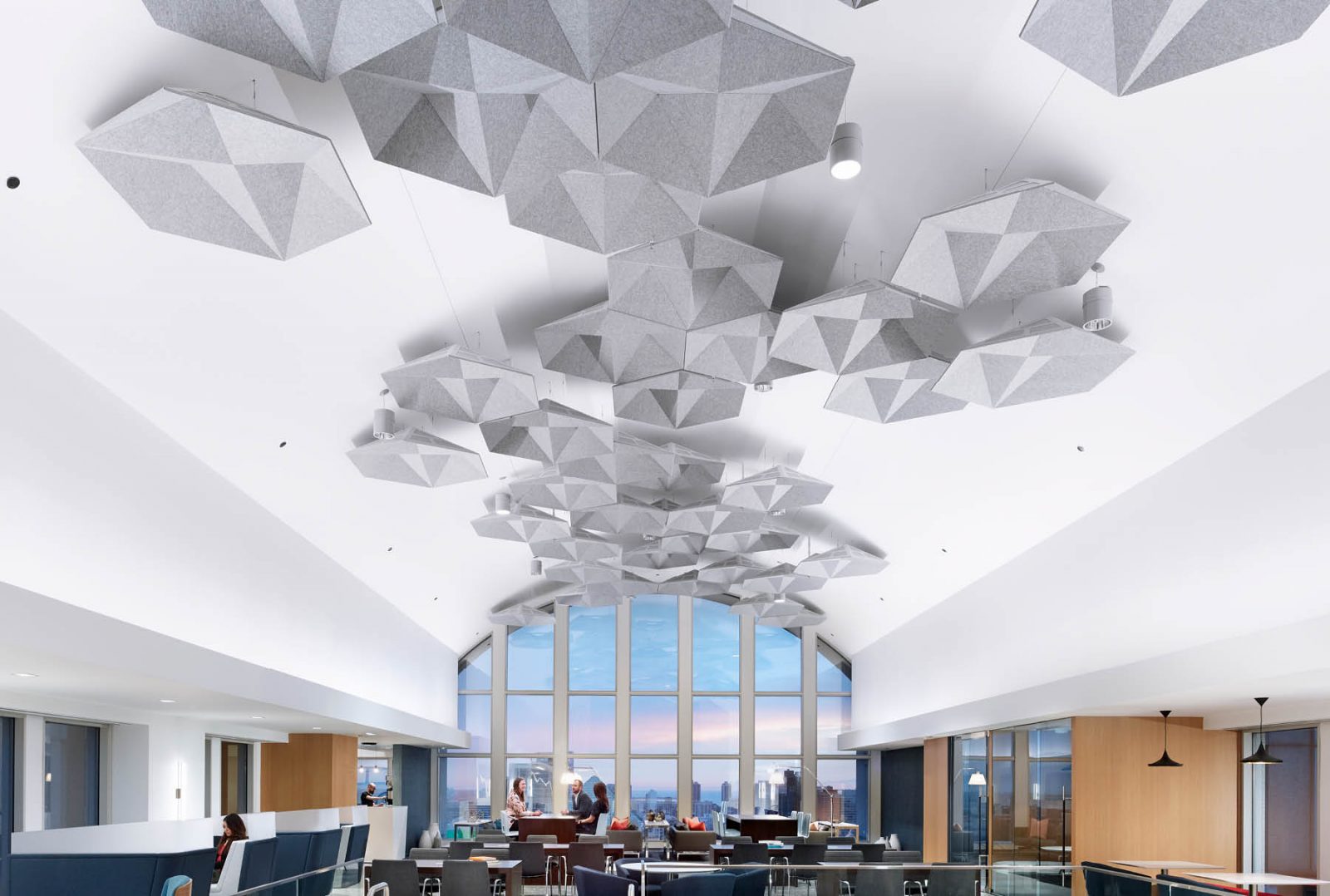
Credit: arktura.com
Scenario 1: Home Recording Studios
Use acoustic panels in your home recording studio to improve sound quality and reduce echoes. Place them strategically on the walls to control reflections and create a more professional sound.
Acoustic Treatment For Optimal Sound Quality:
- Acoustic panels are essential for creating optimal sound quality in home recording studios. They absorb excessive sound reflections and prevent echoes, ensuring that the recorded audio is clear and free from unwanted reverberations.
- Here are some key points to consider for using acoustic panels in home recording studios:
- Placement: Proper placement of acoustic panels is crucial for effective sound treatment. Consider placing them on the walls, behind the speakers, and at the first reflection points to minimize sound reflections.
- Diffusion: Acoustic panels with diffusive properties can help break up sound waves and disperse them evenly throughout the room, resulting in a more balanced and natural sound.
- Bass traps: Adding bass traps, which are specialized acoustic panels designed to absorb low-frequency sounds, can help control the bass response in your recording space, preventing excessive bass build-up or cancellation.
- Size and thickness: The size and thickness of acoustic panels also play a role in their effectiveness. Thicker panels are more efficient at absorbing lower frequencies, while larger panels provide a broader coverage area.
- Material: Acoustic panels are typically made from materials such as foam, fiberglass, or fabric-wrapped panels. Each material has its own sound absorption characteristics and aesthetic appeal, so choose accordingly based on your needs and preferences.
Reducing Echo And Reverb In Small Spaces:
- Small rooms and spaces often suffer from excessive echo and reverb, which can negatively impact the quality of recordings or listening experiences. Acoustic panels can significantly reduce these issues by absorbing sound reflections and minimizing the reverberation time. Here are some key points to consider:
- Wall treatment: Covering the walls with acoustic panels can greatly reduce the amount of sound reflections, thereby reducing echo and reverb. Place the panels strategically on the walls, focusing on the areas where sound waves bounce the most.
- Ceiling treatment: Installing acoustic panels on the ceiling can further enhance sound control in small spaces. Reflective surfaces like ceilings can amplify sound reflections, so covering them with panels helps absorb those reflections and minimize reverberation.
- Corner bass traps: Small spaces often suffer from pronounced bass build-up in the corners. Installing corner bass traps, which are specialized acoustic panels designed to absorb low-frequency sounds, can effectively address this issue and improve the overall sound quality.
- Portable options: In small spaces where permanent acoustic treatment is not feasible, consider using portable acoustic panels or room dividers with sound-absorbing properties. These can be easily moved around to adapt to different recording or listening setups.
- Panel placement: Experiment with the placement of acoustic panels to find the optimal configuration for reducing echo and reverb in your specific small space. Adjusting the angle, distance, and coverage of the panels can help achieve the desired sound control.
Acoustic panels are essential for optimizing sound quality in home recording studios and reducing echo and reverb in small spaces. They provide effective sound absorption and diffusion, allowing for clearer recordings and improved listening experiences. Proper placement, size, material, and treatment of walls and ceilings play crucial roles in achieving optimal results.
Scenario 2: Open Office Spaces
When designing open office spaces, it is important to consider the use of acoustic panels to control noise and maintain a productive work environment. Acoustic panels can be strategically placed to reduce echoes and reverberation, resulting in improved speech intelligibility and overall comfort for employees.
Noise distractions in open office spaces can significantly impact productivity and create a challenging working environment. Acoustic panels can help minimize these distractions and improve overall productivity. Here’s how:
- Reduced noise levels: Acoustic panels absorb sound waves, reducing reverberation and echo in open office spaces. This helps create a quieter environment, allowing employees to focus better on their tasks.
- Improved speech intelligibility: In shared work environments, it’s crucial to enhance speech intelligibility for effective communication. Acoustic panels absorb excessive noise, preventing it from bouncing around the room and improving clarity during conversations.
- Better concentration: Open office spaces often have multiple conversations and activities happening simultaneously, leading to a high level of ambient noise. Acoustic panels can help create individual sound zones, reducing distractions and improving concentration.
- Enhanced privacy: Acoustic panels can create a sense of privacy in an open office space by reducing noise leakage between workstations. This allows employees to have confidential conversations without worrying about being overheard.
- Stress reduction: Excessive noise in open office spaces can increase stress levels and decrease employee well-being. Acoustic panels help create a more peaceful and comfortable environment, promoting a better work-life balance.
- Increased productivity: By minimizing noise distractions, acoustic panels contribute to increased productivity in open office spaces. Employees can focus better on their work, collaborate effectively, and accomplish tasks more efficiently.
Acoustic panels are essential in open office spaces to minimize noise distractions and improve productivity. They create a quieter environment, enhance speech intelligibility, improve concentration, increase privacy, reduce stress, and ultimately contribute to a more productive and harmonious workspace.
Scenario 3: Home Theaters
To optimize your home theater experience, consider using acoustic panels for improved sound quality. Place them strategically in your room to reduce echo and enhance sound absorption.
Creating an immersive audio experience:
- Acoustic panels are essential for home theaters as they can enhance the overall audio quality and create a more immersive experience for movie lovers.
- By strategically placing acoustic panels around the room, you can improve sound distribution, minimize sound reflections, and eliminate echoes, allowing you to fully enjoy the movie’s sound effects and dialogue.
- The panels absorb excess sound waves and prevent them from bouncing off the walls and ceiling, resulting in clearer and more defined audio.
Controlling sound reflections and echoes:
- Home theaters often consist of hard surfaces such as bare walls, floors, and ceilings, which can lead to sound reflections and echoes that can degrade the audio quality.
- Acoustic panels help control these reflections by absorbing sound waves and reducing their transmission, resulting in a more balanced and natural sound.
- Panels placed on the walls and ceiling can mitigate the buildup of sound reflections and echoes, ensuring that the audio is clear and distinct.
Overall, using acoustic panels in home theaters is crucial for creating an immersive audio experience and controlling sound reflections and echoes. They enhance the overall quality of the sound, allowing you to fully enjoy your favorite movies and tv shows.
So, if you’re looking to take your home theater experience to the next level, consider incorporating acoustic panels into your setup.
Scenario 4: Restaurants And Cafes
Restaurants and cafes can benefit from using acoustic panels to reduce noise and create a more pleasant dining environment. These panels help to absorb sound and improve acoustics, allowing customers to enjoy their meals without distraction.
Enhancing The Dining Experience By Reducing Noise Levels:
Restaurants and cafes are vibrant and lively places where people come to enjoy good food and company. However, the noise levels in these establishments can often reach uncomfortable levels, making it difficult for customers to have conversations and enjoy their dining experience.
Acoustic panels can play a significant role in enhancing the overall ambiance by reducing the noise levels. Here are a few key benefits of using acoustic panels in restaurants and cafes:
- Absorption of sound waves: Acoustic panels are designed to absorb sound waves, minimizing their reflections and reducing overall noise levels in the space. This helps create a more pleasant and comfortable environment for diners.
- Improved speech intelligibility: Excessive noise can make it challenging for customers to engage in conversations with their dining companions or communicate with the restaurant staff. By reducing background noise, acoustic panels improve speech clarity, making it easier for everyone to hear and understand each other.
- Enhancing the dining atmosphere: With reduced noise levels, restaurants and cafes can create a more relaxed and enjoyable atmosphere for their customers. This allows for better focus on conversations, enhancing the overall dining experience.
- Increased customer satisfaction: By addressing the issue of excessive noise, restaurants and cafes can significantly improve customer satisfaction. A quieter and more comfortable environment encourages customers to stay longer, enjoy their meals, and potentially return for future visits.
- Privacy and intimacy: In certain dining establishments, such as fine-dining restaurants or intimate cafes, acoustic panels can contribute to a sense of privacy and intimacy. By reducing noise, customers can feel more secluded and have a more personal dining experience.
- Better acoustics for live performances: Some restaurants and cafes host live performances, such as live bands or solo artists. Acoustic panels can help in creating better acoustics for these performances, ensuring that the musicians’ performances are heard clearly and providing an enjoyable experience for both diners and performers.
- Aesthetically pleasing design: Acoustic panels come in various designs, colors, and patterns. These panels can be customized to blend seamlessly with the restaurant or cafe’s interior design, adding an aesthetic touch while serving a functional purpose.
By incorporating acoustic panels into the design of their establishments, restaurants and cafes can create a more inviting and comfortable atmosphere for their customers. The reduction in noise levels not only enhances the overall dining experience but also increases customer satisfaction, leading to positive reviews, repeat business, and word-of-mouth recommendations.
Scenario 5: Educational Institutions
Scenario 5: educational institutions acoustic panels should be used in educational institutions to improve sound quality in classrooms and lecture halls. They absorb excessive noise and reverberation, creating a conducive environment for learning and communication.
Educational institutions, such as schools, colleges, and universities, can greatly benefit from the use of acoustic panels. These panels are designed to improve the sound quality in classrooms and lecture halls, creating a conducive learning environment for students. Here are some reasons why educational institutions should consider using acoustic panels:
- Creating a conducive learning environment: Acoustic panels help create an atmosphere that is conducive to learning by reducing noise distractions. They absorb excessive sound reflections, echo, and reverberation, allowing students to focus better on the lecture or lesson.
- Reducing noise in classrooms and lecture halls: Noise from outside the classroom or adjacent rooms can be disruptive to the learning process. Acoustic panels help reduce external noise by absorbing and blocking sound waves, creating a quieter and more peaceful environment for both teachers and students.
- Improving speech intelligibility: In classrooms or lecture halls, it is important for teachers’ voices to be clear and intelligible. Acoustic panels help improve speech intelligibility by reducing echo and reverberation, ensuring that every word spoken by the teacher reaches the students clearly.
- Enhancing concentration and comprehension: Excessive noise can make it difficult for students to concentrate and comprehend the lesson. Acoustic panels help create a calmer and more focused environment, allowing students to absorb information more effectively and improve their overall learning experience.
- Addressing special needs: Some students may have special needs, such as hearing impairments or auditory processing disorders. Acoustic panels can help create an inclusive learning environment by reducing background noise and improving the clarity of sound, making it easier for these students to engage in the classroom.
- Creating versatile learning spaces: Acoustic panels can be installed in various configurations and designs, allowing educational institutions to create flexible and versatile learning spaces. They can be mounted on walls, ceilings, or even used as freestanding partitions, making it easier to adapt the room to different teaching styles or activities.
By using acoustic panels in educational institutions, teachers can provide a better learning experience for their students, while students can benefit from a more focused and conducive environment. Whether it’s reducing noise distractions, improving speech intelligibility, or creating versatile learning spaces, acoustic panels are a valuable addition to any educational setting.
Frequently Asked Questions On When Should You Use Acoustic Panels (With Scenarios)
What Are Acoustic Panels Good For?
Acoustic panels are beneficial for sound control and improving room acoustics. They absorb sound waves and reduce echo and reverberation in a space. They are commonly used in recording studios, home theaters, conference rooms, and other environments where sound quality is essential.
Acoustic panels are effective in reducing noise levels, enhancing speech intelligibility, and creating a balanced and pleasant sound environment. They can also be used for soundproofing, as they prevent sound from leaking in or out of a room. Acoustic panels come in various sizes, shapes, and designs, making them versatile and suitable for different applications.
They can be mounted on walls or ceilings, and their placement should be strategic to achieve the best results. Overall, acoustic panels are an excellent solution for controlling sound and creating a more comfortable and functional space.
Where Can I Use Acoustic Panels?
Acoustic panels can be used in various settings to improve sound quality and reduce noise. In recording studios, acoustic panels are essential to create a controlled environment for capturing high-quality audio. They can also be used in home theaters to enhance the movie-watching experience by reducing echo and improving sound clarity.
Acoustic panels are effective in noisy office spaces as well, as they absorb sound and create a more peaceful work environment. These panels can also be used in classrooms to optimize speech intelligibility and create an ideal learning atmosphere. Additionally, acoustic panels find utility in commercial spaces such as restaurants, conference rooms, and auditoriums, where controlling reverberation is crucial.
Overall, acoustic panels are valuable tools that can be used in various spaces to enhance sound quality and create more pleasant and functional environments.
What Are Some Areas You Should Consider Using Acoustic Panels And Soundproofing In Commercial Design?
Acoustic panels and soundproofing are crucial in commercial design to ensure optimal sound quality and reduce noise disruptions. Here are some key areas to consider using acoustic panels: 1. Open office spaces: acoustic panels can minimize echo and reverberation, creating a more comfortable and productive work environment.
2. Meeting rooms: soundproofing solutions like acoustic panels help maintain privacy during confidential discussions and prevent sound leakage. 3. Restaurants and cafes: acoustic panels can reduce background noise, enhancing the dining experience by improving conversation clarity. 4. Auditoriums and theaters: soundproofing is essential in these spaces to enhance sound quality and prevent sound from disturbing neighboring areas.
5. Recording studios: acoustic panels are vital to control sound reflections, ensuring accurate audio recording and mixing. 6. Educational facilities: acoustic panels can improve speech intelligibility in classrooms, enabling better engagement and learning. 7. Healthcare environments: soundproofing measures like acoustic panels promote a peaceful and stress-free atmosphere for patients and healthcare professionals.
By strategically incorporating acoustic panels and soundproofing solutions in these areas, businesses can greatly enhance the overall acoustic experience and create a more pleasant and functional space for their employees and customers.
What Is The Negative Effect Of Acoustic Panels On Listening Effort In A Classroom Environment?
Acoustic panels can have a negative effect on listening effort in a classroom environment. These panels are designed to absorb sound and reduce echo, which can improve the overall acoustic quality of the space. However, when used excessively or incorrectly, they can also absorb too much sound, resulting in a loss of clarity and intelligibility in the classroom.
This can make it harder for students to hear and understand the teacher’s instructions and classmates’ contributions, leading to increased listening effort. Therefore, it is important to strike a balance in the placement and quantity of acoustic panels in order to achieve optimal sound absorption without compromising speech clarity.
Regular testing and evaluation of the acoustic environment can help determine the appropriate number and placement of acoustic panels to minimize listening effort in the classroom.
Conclusion
Acoustic panels are a versatile and effective solution for improving sound quality in various environments. Whether you are setting up a home studio, theater, office, or even a noisy room in your house, acoustic panels can make a significant difference.
By absorbing unwanted echoes and reverberations, these panels help create a more controlled and pleasant acoustic experience. In a home theater, acoustic panels can enhance the sound by reducing reflections and improving clarity. In an office, they can minimize distractions and improve speech intelligibility.
In a noisy room, acoustic panels can help create a peaceful and comfortable environment. To maximize the benefits of acoustic panels, proper placement is crucial. Consider the size and shape of the room, the primary source of sound, and the specific acoustic goals you want to achieve.
Strategic panel placement can ensure optimal sound diffusion and absorption. Overall, acoustic panels are a valuable tool for anyone looking to optimize their sound environment. Whether you’re a professional musician, a dedicated movie buff, or someone who simply enjoys high-quality audio, acoustic panels can enhance your experience and elevate the sound quality in any space.