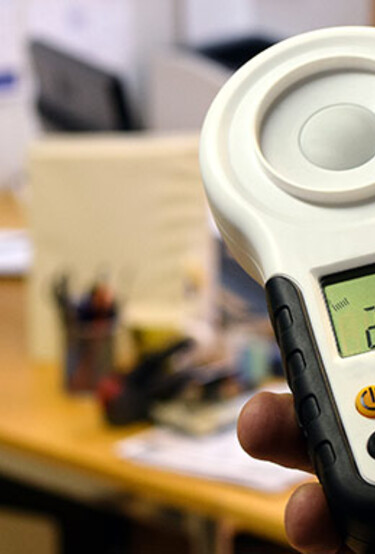
To measure light spectrum, use a spectrophotometer to analyze the wavelengths of light. This device measures the light absorbed or transmitted by a substance, providing data on the specific wavelengths present.
Understanding the light spectrum is crucial in various fields, including photography, environmental monitoring, and food safety. By analyzing the different wavelengths, scientists and researchers can gain valuable insights into the properties and composition of substances. Additionally, the measurement of light spectrum is important in the development of new technologies, such as solar panels and LED lighting.
This process enables us to harness the power of light effectively, leading to advancements in numerous industries. Mastering light spectrum measurement can lead to groundbreaking discoveries and innovations, making it a critical aspect of scientific research and technological progress.
Understanding Light Spectrum
Light spectrum refers to the range of electromagnetic wavelengths emitted by a light source. Understanding the light spectrum is essential for various industries, including horticulture, photography, and scientific research. Let’s explore the concept of light as an electromagnetic spectrum, as well as the significance of different wavelengths within the spectrum.
The Concept Of Light As An Electromagnetic Spectrum
Light, as an electromagnetic spectrum, encompasses a broad range of wavelengths, from gamma rays to radio waves. The visible light spectrum, which is the portion of the electromagnetic spectrum that is visible to the human eye, ranges from approximately 400 to 700 nanometers (nm).
Significance Of Different Wavelengths In The Spectrum
- Blue Light (400-500 nm): Blue light is crucial for plant growth, as it plays a significant role in photosynthesis and photomorphogenesis, influencing various plant processes.
- Red Light (600-700 nm): Red light is essential for flowering and fruiting in plants, making it a vital component of horticultural lighting systems.
- Ultraviolet (UV) Light (10-400 nm): UV light has both positive and negative effects, such as promoting vitamin D synthesis in humans and potentially causing damage to DNA.
Basics Of Spectroscopy
Spectroscopy is the study of the interaction between matter and electromagnetic radiation. In the context of light spectrum measurement, spectroscopy plays a crucial role in analyzing the properties of light. Understanding the basics of spectroscopy is essential for accurately measuring and interpreting the light spectrum.
Role Of Spectroscopy In Measuring Light
Spectroscopy is fundamental in measuring light spectrum as it enables the identification and quantification of different wavelengths within the light. By utilizing spectroscopic techniques, scientists and researchers can precisely determine the composition, intensity, and distribution of light across the spectrum. This information is invaluable for various fields, including astronomy, environmental monitoring, and material science, where a comprehensive understanding of the light spectrum is vital.
Different Types Of Spectroscopy Methods
Several spectroscopy methods are employed in measuring light spectrum, each offering specific advantages and applications. Some of the commonly used spectroscopic techniques include:
- Absorption Spectroscopy<\li>
- Fluorescence Spectroscopy<\li>
- Atomic Emission Spectroscopy<\li>
These methods utilize different principles and instruments to analyze the characteristics of light, providing a comprehensive insight into the light spectrum and its components.
Preparing To Measure Light Spectrum
Before diving into the process of measuring light spectrum, it’s essential to ensure that you have the necessary equipment and the right environment set up for accurate measurements. By following these steps, you can prepare for reliable and precise spectrum analysis.
Necessary Equipment For Spectrum Analysis
When it comes to measuring light spectrum, having the right tools is crucial for obtaining accurate results. To prepare for spectrum analysis, ensure that you have the following equipment:
- Spectrometer: This device will allow you to quantify the intensity of light at different wavelengths, providing a comprehensive breakdown of the light spectrum.
- Quality Light Source: Using a stable and consistent light source is essential. LED panels or other calibrated light sources are ideal for accurate measurements.
- Calibrated Reference: Having a calibrated reference light source or standard is essential for ensuring the accuracy of your measurements.
- Dark Environment: It’s crucial to conduct measurements in a controlled, dark environment to minimize external light interference.
Setting Up The Environment For Accurate Measurements
Creating a suitable environment for measuring light spectrum is vital to ensure the accuracy and reliability of your results. Follow these steps to set up the environment for accurate measurements:
- Light Control: Minimize external light sources and ensure that the area is dark to prevent interference with the measurements.
- Stable Setup: Secure the spectrometer and light source in a stable position to avoid any movement that could impact the accuracy of the readings.
- Temperature Control: Maintain a consistent and controlled temperature in the environment to prevent any fluctuations that could affect the measurements.
- Calibration: Before starting the measurements, ensure that the spectrometer and light sources are properly calibrated to guarantee precise results.
How To Measure Light Spectrum Accurately
Measuring light spectrum accurately is crucial for various industries, including horticulture, photography, and environmental science. To ensure precise measurements, it’s important to follow a step-by-step process and be mindful of common measurement errors.
Step-by-step Process Of Measuring The Spectrum
Accurate measurement of the light spectrum involves several essential steps:
- Gather the necessary equipment, including a spectroradiometer or a spectrometer with appropriate calibration.
- Position the light source and the measuring instrument to ensure consistent and uniform light exposure.
- Take multiple readings at different angles and distances to capture the full spectrum of the light source.
- Record the measurements in a structured format, including the wavelength and intensity of the light at each point.
By following this systematic approach, you can obtain comprehensive and reliable data on the light spectrum.
Tips For Avoiding Common Measurement Errors
To obtain accurate measurements of the light spectrum, it’s essential to be aware of common errors and take proactive measures to mitigate them:
- Ensure proper instrument calibration and maintenance to minimize inaccuracies.
- Account for potential environmental factors that may affect the measurements, such as ambient light or reflective surfaces.
- Conduct multiple measurements and calculate the average to reduce the impact of outliers or fluctuations.
- Validate the results by comparing them with known light spectra or industry standards to verify their accuracy.
By adhering to these tips, you can enhance the precision and reliability of your light spectrum measurements.
Analyzing Spectrum Data
When it comes to analyzing spectrum data, understanding how to interpret and apply the results is crucial. Spectrum data provides valuable insights into the composition and characteristics of light, unlocking its potential applications across various fields. In this post, we will delve into interpreting spectrum results and explore the practical applications of spectrum data in different industries.
Interpreting Spectrum Results
Interpreting spectrum results involves analyzing the distribution of light across different wavelengths. By examining the peaks and troughs in the spectrum, valuable information can be obtained about the quality, intensity, and composition of light. This data can be used to identify specific wavelengths, understand color rendering properties, and determine the presence of any unwanted emissions or impurities.
Practical Applications Of Spectrum Data In Various Fields
The use of spectrum data extends across various industries, from horticulture and agriculture to lighting design and environmental monitoring. In horticulture, spectrum data is utilized to optimize the light conditions for plant growth, ensuring the right wavelengths are provided for photosynthesis. In lighting design, spectrum data helps in creating tailored lighting solutions that enhance visual comfort and color rendition. Moreover, spectrum data is crucial in environmental monitoring for assessing light pollution levels and its impact on nocturnal ecosystems.
Credit: www.wired.com
Advancing Your Spectrum Analysis Skills
Enhancing your proficiency in measuring light spectrum involves mastering advanced techniques and utilizing specialized tools. Continuous education and practice play a crucial role in ensuring accurate analysis. Let’s delve into advanced techniques and tools that can elevate your spectrum analysis skills.
Advanced Techniques And Tools
To excel in the measurement of light spectrum, mastering advanced techniques is essential. Calibrating spectrometers is a fundamental skill that ensures accurate readings by correcting for the system’s inherent variations. Utilizing spectral range extensions can broaden your understanding of the entire electromagnetic spectrum. Furthermore, spectral deconvolution techniques enable the separation of overlapping spectral peaks, providing a comprehensive analysis of complex light sources.
When it comes to tools, the advancement in hyperspectral imaging devices has revolutionized spectrum analysis. These devices capture spectral information in a spatial context, empowering precise analysis of varied light sources. High-resolution spectrometers with enhanced wavelength accuracy and sensitivity are invaluable for meticulous spectrum measurement. Additionally, integrating light measurement software with advanced data processing capabilities can streamline analysis and interpretation, enriching your spectrum analysis toolkit.
Continuous Learning And Mastery In Measuring Light Spectrum
Continuous learning is integral to mastering the measurement of light spectrum. Engage in seminars, workshops, and online courses focused on spectrum analysis to stay abreast of the latest advancements. Practical application and experimentation with diverse light sources are paramount in honing your spectrum measurement skills. Regular practice with standard calibration sources refines your abilities to attain precision in spectral measurements.
It’s crucial to comprehend the intricacies of light spectrum measurement to ensure accurate results. Continuous learning and mastering advanced techniques and tools are essential elements of advancing your spectrum analysis skills.
Frequently Asked Questions For How To Measure Light Spectrum
What Is Light Spectrum And Why Is It Important?
The light spectrum refers to the range of colors produced when light is dispersed. It’s crucial in various fields like photography, agriculture, and science to understand the characteristics of light for optimal outcomes. Different wavelengths in the spectrum carry unique information that can be utilized for different purposes.
How Do You Measure Light Spectrum?
Measuring light spectrum involves using spectrophotometers or spectroradiometers, which analyze the different wavelengths and their intensities. The device captures the light and breaks it down into its component wavelengths, providing data on the spectral distribution. This information is vital for assessing light quality and quantity in various applications.
What Are The Applications Of Measuring Light Spectrum?
Measuring light spectrum has diverse applications, including optimizing plant growth, improving color perception in lighting design, and analyzing the composition of materials in scientific research. It’s also used in environmental monitoring to understand the impact of light pollution and its effects on ecosystems.
Understanding light spectrum is crucial for various industries and research fields.
How Does Light Spectrum Impact Plant Growth?
Different wavelengths in the light spectrum have varying effects on plant growth and development. For instance, blue light promotes vegetative growth, while red light is crucial for flowering and fruiting stages. Understanding the impact of light spectrum on plants allows for tailored lighting solutions to optimize growth, yield, and overall plant health.
Conclusion
Understanding light spectrum measurement is essential for various fields. By choosing the right tools and techniques, professionals can accurately analyze and utilize light in their work. Whether in science, technology, or art, an accurate measurement of light spectrum can lead to better results and more effective applications.