To fix WiFi spectrum interference, change the router’s channel and frequency settings to avoid congestion. Having a reliable WiFi connection is essential for our day-to-day activities.
However, at times, we may experience slow or unreliable internet connection due to interference in the WiFi spectrum. This interference can be caused by various devices and networks competing for the same channels and frequencies. We will discuss some practical solutions to fix WiFi spectrum interference.
By implementing these fixes, you can ensure a stable and efficient WiFi connection for your home or office. So, let’s dive in and explore how to resolve WiFi spectrum interference effectively.
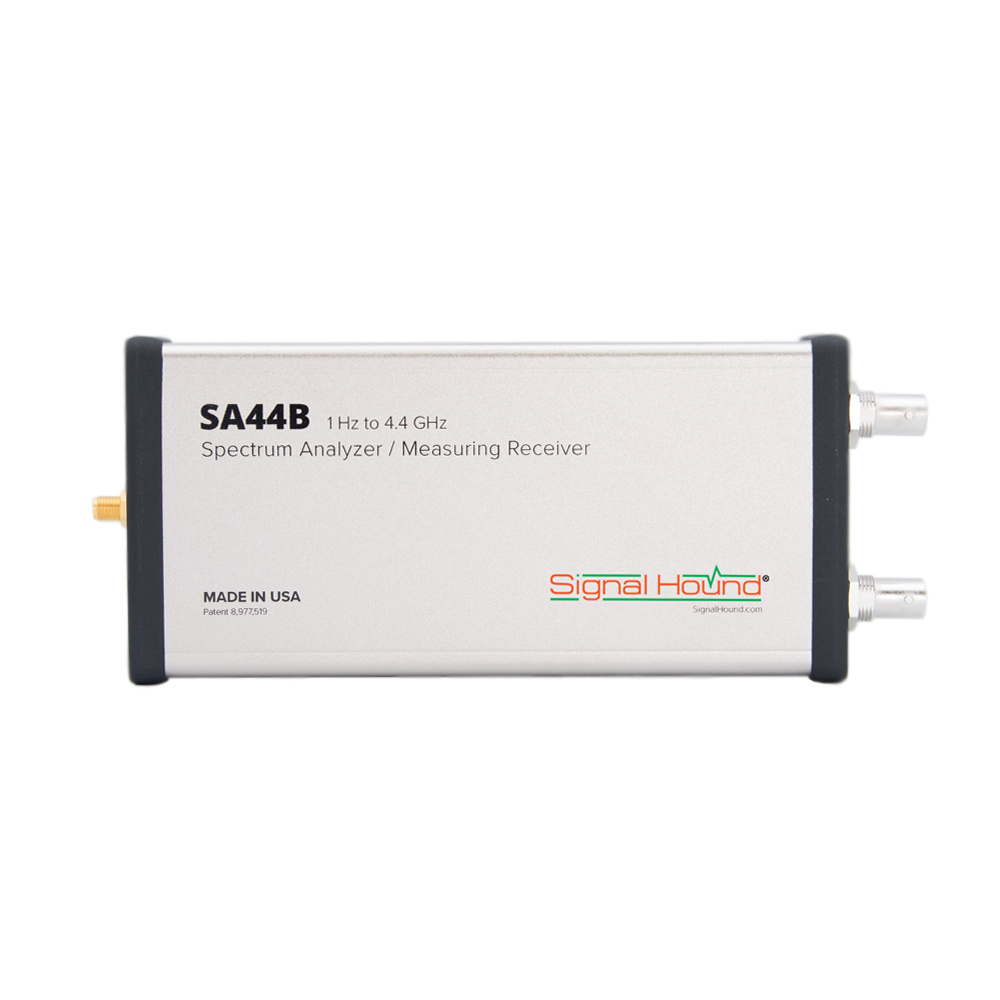
Credit: signalhound.com
Common Wifi Spectrum Challenges
When it comes to setting up a stable and fast wifi connection, it’s common to encounter various challenges. Identifying and addressing these challenges is crucial for optimizing your wifi spectrum and ensuring a seamless internet experience. Below, we will discuss some of the most common wifi spectrum challenges and how to fix them.
Interference From Other Electronic Devices
One of the major causes of wifi spectrum challenges is interference from other electronic devices. Electronic gadgets such as microwave ovens, cordless phones, and Bluetooth devices can operate on the same frequency as your wifi, causing disruptions to the signal. To mitigate this issue, physically move your router away from these devices. Additionally, consider using wifi channels that are less crowded and more distant from the frequencies of the interfering devices. This can significantly reduce signal interference and enhance your wifi spectrum.
Router Placement And Physical Obstacles
The placement of your router and physical obstacles in your home or office space can significantly impact your wifi spectrum. Ensure that your router is positioned in a central location to provide equal coverage to all areas. Avoid placing the router near large metal objects, concrete walls, or other barriers that can obstruct the signal. By minimizing physical obstacles and strategically placing your router, you can optimize your wifi spectrum and improve overall signal strength and stability.
Outdated Firmware Or Hardware Malfunctions
Another common cause of wifi spectrum challenges is outdated firmware or hardware malfunctions in your router. Regularly updating your router’s firmware ensures that it is equipped with the latest features and security patches, improving its overall performance. Additionally, addressing hardware malfunctions such as damaged antennas or overheating issues can help maintain a stable and efficient wifi spectrum. Be sure to periodically check for firmware updates and inspect the hardware for any issues to optimize your wifi spectrum.
Optimizing Router Settings
An essential step in fixing wifi spectrum issues is to optimize your router settings. Making the right adjustments can significantly enhance the performance, stability, and security of your wifi network. In this section, we will delve into the specific router settings that can be tweaked to ensure a seamless wifi experience.
Adjusting Bandwidth Settings For Better Performance
One way to optimize router settings for improved wifi spectrum is by adjusting the bandwidth settings. By prioritizing certain types of traffic, you can improve the overall performance of your wifi network. This can be achieved by accessing your router’s QoS (Quality of Service) settings and assigning priority to specific applications or devices. Prioritizing bandwidth allocation for activities such as video streaming or online gaming can result in a smoother and more reliable wifi experience.
Changing Wireless Channels To Avoid Congestion
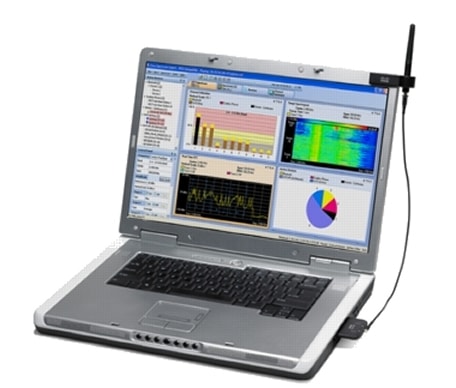
Another crucial aspect of router optimization is changing wireless channels to avoid congestion. Wireless networks operate on different channels within the wifi spectrum, and interference can occur when multiple devices in close proximity use the same channel. To mitigate this, access your router’s settings and switch to a less congested channel. Utilizing tools such as wifi analyzer apps can help identify the least crowded channels in your area, allowing you to select the optimal channel for your wifi network.
Updating Router Firmware For Stability And Security
To ensure the stability and security of your wifi network, it is imperative to update your router’s firmware regularly. Firmware updates contain important bug fixes, security patches, and performance enhancements that can address existing issues and improve overall network stability. Check your router manufacturer’s website for the latest firmware version, and follow the provided instructions to update your router’s firmware, safeguarding your network against potential vulnerabilities.
Resetting Your Wifi Equipment Correctly
Resetting your wifi equipment correctly can often resolve issues related to internet connectivity, slow speeds, and dropped connections. Sometimes, a simple power cycle or factory reset of your modem and router can make a significant difference in your wifi performance. In this guide, we will walk you through the step-by-step process of power cycling your modem and router, as well as the instances when a factory reset of your router might be necessary and how to do it safely.
Step-by-step Guide To Power Cycling Your Modem And Router
To power cycle your modem and router effectively, follow these steps:
- Turn off your modem and router by unplugging them from the power source.
- Wait for at least 30 seconds to ensure that all residual power is drained from the devices.
- Plug the modem back in and wait for it to fully restart. This may take a few minutes, so be patient.
- Once the modem has restarted, plug the router back in and wait for it to boot up completely.
- Test your wifi connection to see if the power cycle resolved the issues.
When To Factory Reset Your Router And How To Do It Safely
If you are experiencing persistent issues with your wifi network, such as frequent disconnections, slow speeds, or difficulty connecting devices, a factory reset of your router may be necessary. Here’s how to perform a factory reset safely:
- Locate the reset button on your router. This is often a small, recessed button that may require a paperclip or pin to press.
- With the router powered on, press and hold the reset button for 10-15 seconds. Be sure to hold it long enough to initiate the factory reset process.
- Wait for the router to complete the reset process and reboot. This may take a few minutes. Once the router has restarted, it will be back to its default settings.
- Reconfigure your wifi network settings, including the network name (SSID) and password, to restore your desired configurations.
By following these steps, you can ensure that your wifi equipment is reset correctly, potentially resolving any connectivity issues and improving your overall wifi performance.
Advanced Wifi Spectrum Tactics
The success of your home or office wifi network relies heavily on implementing advanced tactics to optimize the wifi spectrum. With the constant increase in connected devices, users often experience slow and unreliable internet connections. In this section, we’ll explore two advanced wifi spectrum tactics that can greatly enhance the performance of your wifi network, ensuring a seamless and uninterrupted browsing experience for all users.
Implementing Quality Of Service (qos) For Traffic Prioritization
Quality of Service (QoS) is a crucial tactic for ensuring a smooth browsing experience. By prioritizing traffic based on application type, you can ensure that latency-sensitive applications such as video streaming and online gaming receive the necessary bandwidth, while non-latency-sensitive applications operate efficiently without causing network congestion.
Implementing QoS involves configuring your router to recognize and prioritize different types of traffic. By assigning high priority to time-sensitive applications and low priority to non-time-sensitive ones, you can significantly improve overall network performance.
Using Network Extenders Or Access Points To Enhance Coverage
Network extenders or access points are effective hardware solutions for expanding the coverage of your wifi network, especially in areas with poor signal strength. They work by rebroadcasting the wifi signal from your main router, effectively extending its reach and providing better coverage in hard-to-reach areas.
When strategically placed, network extenders or access points can eliminate dead zones and ensure a strong, consistent connection throughout your home or office. Additionally, they can help distribute the load of connected devices, reducing congestion and improving overall network performance.
Maintaining Optimal Wifi Health
Maintaining optimal WiFi health is crucial in ensuring a seamless and reliable Internet connection. By implementing best practices and staying proactive in your network maintenance, you can mitigate potential issues and keep your WiFi spectrum running at its best. Here are some essential steps to consider:
Regularly Checking For Updates And Patches
Continuous monitoring and installation of updates and patches for your WiFi equipment and devices are essential to maintain optimal performance. Manufacturers often release updates to address vulnerabilities, improve security, and enhance functionality.
Best Practices For Network Security And Password Management
Implementing robust network security measures and effective password management is critical for protecting your WiFi spectrum from unauthorized access and potential cyber threats. Utilize encryption protocols and regularly update your router’s firmware to strengthen security defenses.
“` I hope you find it helpful! If you need further assistance, feel free to ask.Frequently Asked Questions Of How To Fix Wifi Spectrum
What Can Cause Wifi Spectrum Issues?
Possible causes include interference from other electronic devices, outdated hardware, and network congestion. It’s essential to identify the root cause to effectively address the issue.
How To Determine Wifi Spectrum Interference?
Use a Wifi analyzer app to identify the best channel for your network. Look for other networks and devices that may be causing interference, then adjust your settings accordingly.
Can Wifi Spectrum Issues Affect Internet Speed?
Yes, Wifi Spectrum issues can significantly impact internet speed. Interference and congestion can result in slower connections and reduced data transfer rates.
What Are The Best Practices For Optimizing Wifi Spectrum?
To optimize Wifi Spectrum, consider upgrading your router, positioning it strategically, using a dual-band router, and minimizing interference from neighboring networks and devices.
Conclusion
Fixing your WiFi spectrum is crucial for optimal connectivity and seamless user experience. By identifying and addressing interference sources, adjusting router settings, and possibly upgrading equipment, you can improve your WiFi signal strength and stability. Following these steps will ensure a smoother and more reliable internet connection for your home or office.