A home theater is a great way to have an immersive experience when watching movies or playing video games. The right lighting can make all the difference in creating the perfect environment. In this guide, we will go over some tips on how to choose the best lighting for your home theater.
Lighting Mastery: Crafting the Perfect Home Theater Ambiance
Are you looking to create the perfect home theater experience? If so, then proper lighting is a must! With the right lighting, you can create an inviting and comfortable space that is perfect for relaxing and enjoying your favorite movies and shows.
There are a few things to keep in mind when choosing lighting for your home theater. First, you’ll want to make sure that the light fixtures are not too bright or too dim. You’ll also want to consider the color of the light bulbs – some people prefer warmer tones while others prefer cooler tones.
And finally, you’ll want to think about how the light will be controlled. For example, do you want wall switches or remote control?
Here are a few tips to help you choose the perfect lighting for your home theater:
1. Avoid using fluorescent lights as they can be harsh and unflattering. Instead, opt for LED lights which provide a warm and inviting glow.
2. If possible, install dimmer switches so that you can adjust the light level depending on what you’re watching.
Bright lights are great for action-packed scenes while lower levels of light are better suited for more intimate moments or dialogue-heavy scenes.
3. Consider installing recessed lights in your ceiling around the perimeter of the room. These provide even illumination without being too harsh or bright.
Plus, they’re relatively easy to install yourself if you’re handy!
4. Wall sconces are another great option for home theater lighting as they add a touch of style and sophistication while providing ample light for reading subtitles or finding your popcorn on the floor! Just be sure to place them at eye level so that they don’t cause glare on the screen.
Home Theater Lighting Design
Lighting in a home theater is important for two reasons: to create the right atmosphere and to improve the viewing experience. Here are some tips for designing home theater lighting:
1. Use dimmable lights.
This will allow you to create the perfect amount of light for any situation.
2. Be creative with your light sources. You can use track lighting, recessed lighting, floor lamps, table lamps, and more to create a unique look.
3. Use colored lights to add interest and depth to the room. Blue lights can create a cool and relaxing atmosphere while red lights can add excitement and energy.
4. Control the light levels in different parts of the room separately.
Small Home Theater Lighting
If you’re looking to create a cozy and intimate setting in your home theater, small home theater lighting is a great way to achieve this. There are a few things to keep in mind when choosing the right lighting for your space.
First, consider the size of your room.
Smaller rooms will benefit from lower light levels, while larger rooms can handle more light. You’ll also want to think about the type of lighting you want to use. Ambient lighting is a good option for smaller spaces, as it creates a softer light that’s less likely to disturb your viewing experience.
Accent lighting can also be used to highlight certain features in your room, like artwork or architectural details.
When it comes to fixtures, there are a few different options available. Pendant lights and recessed lights are both popular choices for home theaters.
Wall sconces are another option that can add a decorative touch to your space. Just be sure to position them so they don’t cast any unwanted shadows on your screen!
Finally, don’t forget about controls.
Dimmers give you the ability to adjust the light level in your room depending on what you’re watching or doing. This way, you can create just the right atmosphere for any occasion.
Home Theater Lighting Control
Are you looking for a way to add some pizzazz to your home theater? Well, look no further than home theater lighting control! This type of lighting can really take your movie-watching experience to the next level.
Here’s a quick overview of what home theater lighting control is and how it can benefit you:
What is Home Theater Lighting Control?
Home theater lighting control refers to the process of using different lights in your home theater setup to create a certain ambiance.
For example, you might use accent lighting to highlight certain features in the room or task lighting to help you see better when you’re trying to find that perfect snack.
The great thing about home theater lighting control is that it offers endless possibilities in terms of creativity. You can really let your imagination run wild and come up with all sorts of fun and unique ways to light up your space.
Plus, it can be a great way to save money on your energy bill since you won’t have to keep all the lights on in the room all the time.
How Can Home Theater Lighting Control Benefit Me?
There are lots of benefits that come along with using home theater lighting control.
For starters, it can help improve your overall movie-watching experience by creating the perfect ambiance for whatever film you happen to be watching. It also allows you to save money on your energy bill by only using lights when necessary. And last but not least, it can be a great conversation starter at parties or other gatherings!
People will definitely be impressed by your cool and innovative use of light.
Home Theater Smart Lighting
Are you looking for a way to take your home entertainment setup to the next level? If so, then you may want to consider investing in some smart lighting for your home theater. Smart lighting can enhance the look and feel of your home theater, and it can also improve the overall experience of watching movies and TV.
Here’s a closer look at some of the benefits of using smart lighting in your home theater:
1. Improved Ambiance: One of the biggest benefits of using smart lighting in your home theater is that it can help to create a more inviting and enjoyable ambiance. With the right lighting, you can make your home theater feel like a true movie palace.
Smart lighting can help to set the mood for whatever film you’re watching, and it can also make it easier to see what’s happening on-screen.
2. Enhanced Viewing Experience: In addition to creating a better ambiance, smart lighting can also improve your actual viewing experience.
Home Theater Led Lighting Ideas
Are you looking for some home theater LED lighting ideas? Well, you’ve come to the right place! In this blog post, we’ll go over a few different ways that you can use LED lights to create an amazing home theater experience.
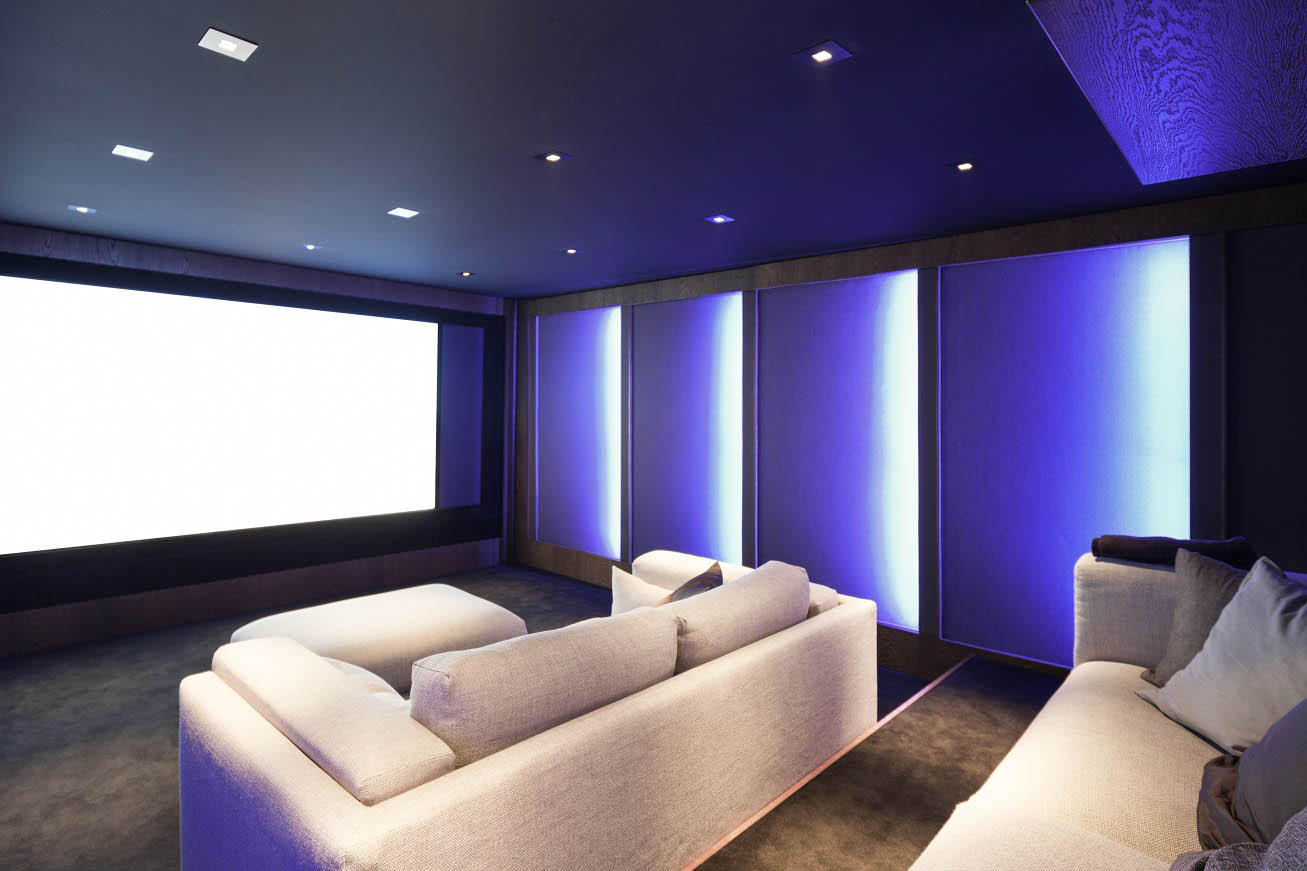
One way to use LED lights is to create a backlight effect. This can be done by placing LEDs behind your television or projector screen. This will help to create a more immersive viewing experience as the light will help to highlight the contours of the screen.
Another great way to use LED lights is to accentuate certain features in your home theater. For example, you could place LEDs under your cabinets or on shelves to create a nice ambient glow. Or, if you have posters or other artwork on display, you could use LEDs to spotlight these items.
Finally, one of the best ways to use LED lights is to simply add them into your existing home theater setup. If you have recessed lighting in your ceiling, consider adding some colored LEDs into the mix. Or, if you have floor lamps in your home theater, try swapping out the bulbs for LEDs.
By doing this, you’ll not only get better lighting, but you’ll also save money on your energy bill!
Home Theater Lighting Sconces
If you’re looking for a way to improve your home theater experience, consider adding sconces to your space. Sconces can provide both functional and ambient lighting, making it easier to see the screen and setting the mood for movie night. Here’s everything you need to know about choosing and installing home theater lighting sconces.
Functional Lighting
First, let’s talk about functional lighting. In order to see the screen clearly, you’ll need enough light in the room.
Depending on the size of your space and how many windows you have, this may mean adding multiple sconces around the perimeter of the room. You’ll want to place them at eye level so that they don’t create any glare on the screen. If possible, use dimmable lights so that you can adjust the brightness as needed.
Ambient Lighting
In addition to functional lighting, you may also want to add some ambient lighting with sconces. This can help set the mood for movie night and make the space feel more inviting.
Look for sconces with soft, diffused light or ones that come equipped with a shade. And again, if possible, choose dimmable lights so that you can control the amount of light in the room.
Credit: www.projectorscreen.com
How Do You Light a Home Theater Room?
When it comes to lighting a home theater room, there are a few things you need to take into account. The first is the size of the room. If your home theater room is on the smaller side, then you won’t need as much light as you would for a larger space.
The second thing to consider is the type of lighting you want to use. There are a few different options when it comes to lighting a home theater room, and each has its own benefits.
One option for lighting a home theater room is recessed lighting.
This type of lighting is installed into the ceiling and provides a clean, sleek look. Recessed lighting can be dimmed, which makes it perfect for watching movies or TV Shows in your home theater room. Another benefit of recessed lighting is that it doesn’t take up any space in your room, which is ideal if your home theater room is on the smaller side.
If you have a larger home theater room, then track lighting may be a better option for you. Track lighting consists of fixtures that are mounted on tracks that run along your ceiling. This type oflighting gives you more flexibility when it comes to positioning the light fixtures, and it also allows you to add more light fixtures if needed.
However, track lighting can be more difficult to install than recessed lighting, so if you’re not handy with tools, then this may not be the best option for you.
No matter what type of Lightingyou choose for your home theater room, make sure that all of the bulbs are rated for dimming. This will ensure that your lights don’t flicker or buzz when they’re turned down low during movie time!
What is the Most Common Lighting Fixture Used in Theatre?
The most common lighting fixture used in theatre is the PAR can. PAR stands for parabolic aluminized reflector, and these cans are used to direct light across the stage. They come in a variety of sizes, but most are around two feet tall.
PAR cans can be fitted with different types of bulbs, depending on the needs of the production.
What Lights Do You Need for a Stage?
As anyone who has ever been to a live show knows, stage lighting is an essential part of the experience. The right lights can create atmosphere, highlight the performers and make the whole thing come alive. But what exactly do you need to create a great stage lighting setup?
First, you’ll need some basic PAR cans. These are versatile lights that can be used for a variety of purposes, from washing the stage in color to creating dramatic effects. You’ll also want some spotlights for highlighting individual performers, as well as some LED lights for creating special effects.
Next, you’ll need some way to control all of these lights. A good lighting console will give you complete control over every light on stage, and allow you to create complex lighting sequences. Finally, don’t forget about smoke machines and other special effects devices – these can really take your stage show to the next level!
What Color Light is Best for Watching Movies?
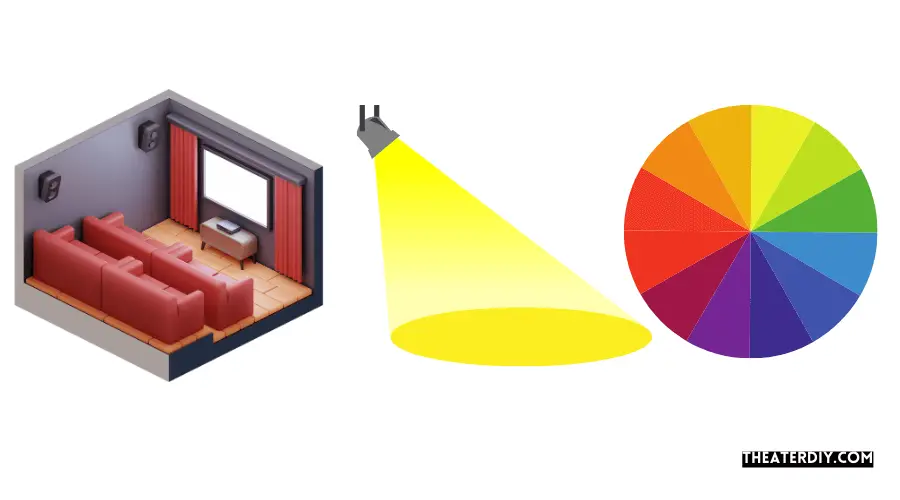
There is no definitive answer to this question as everyone’s preferences will differ. However, there are a few things to consider that may help you choose the best color light for watching movies.
The first thing to think about is the type of movie you’re watching.
If it’s a horror movie, for example, you might want to go for a softer light so that it’s not too jarring when scary scenes come on. Alternatively, if you’re watching a comedy, a brighter light might be better so that you can see all the details in the jokes.
Another factor to consider is the time of day.
If you’re watching a movie in the evening, you might want to have a dimmer light so that it’s easier on your eyes. However, if you’re watching during the daytime, a brighter light may be more suitable.
Lastly, think about what kind of atmosphere you want to create while watching your movie.
If you want it to be more relaxing, then choosing a calming color like blue or green could be ideal. But if you want your viewing experience to be more exciting, then going for a bolder color like red might be better suited.
Ultimately, there is no wrong answer when it comes to choosing the best color light for watching movies.
It all depends on your personal preferences and what will make YOU enjoy the experience most!
Home Theater Lighting Best Practices
Conclusion
The Home Theater Lighting Guide provides information on how to choose the right lighting for your home theater. It discusses the different types of lighting available and the benefits of each. It also provides tips on how to create the perfect lighting environment for your home theater.