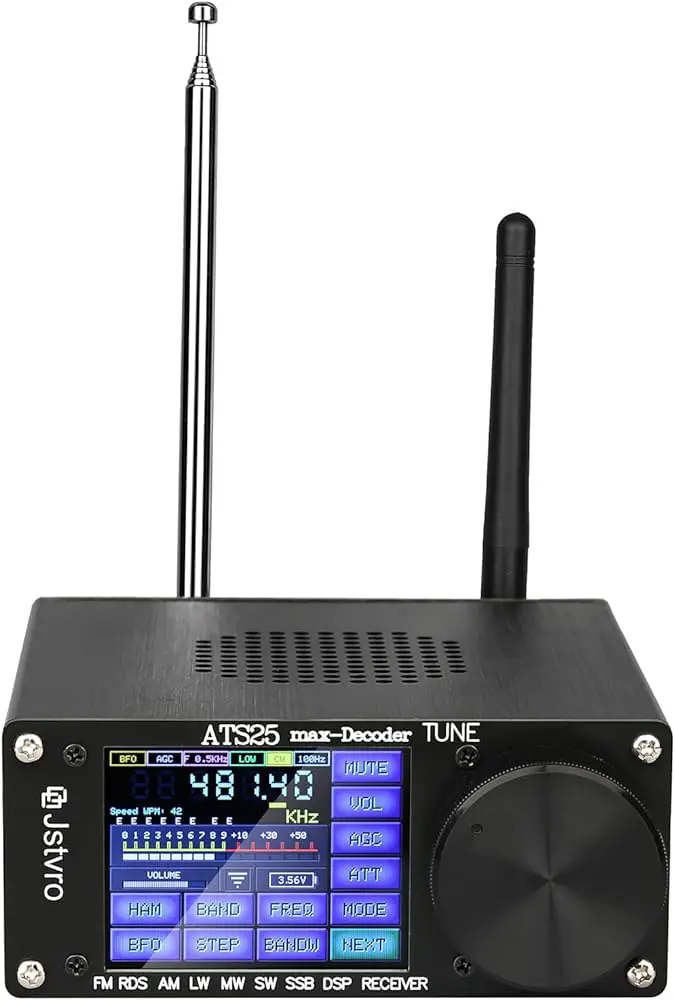
Spectrum operates on both 2.4 and 5 GHz frequency bands. This allows for flexibility and better network performance.
The frequency at which Spectrum operates is a crucial factor that affects its performance and reliability. Understanding the difference between the 2. 4 and 5 GHz frequency bands is essential for optimizing your wireless network. We will explore the benefits and drawbacks of each frequency band and provide tips on how to make the most of your Spectrum Wi-Fi connection.
Whether you are a home user or a business owner, having a clear understanding of the frequency bands will enable you to maximize the potential of your Spectrum internet service. So, let’s delve into the world of Spectrum’s frequency bands and how they can impact your internet experience.
Spectrum 2.4 Vs 5 Ghz Frequencies
When setting up a wireless network, choosing the right frequency spectrum is vital for optimizing performance. Two common frequency bands used for wireless networking are the 2.4 GHz and 5 GHz frequencies. Understanding the differences and impact of these frequencies on wireless connectivity is essential to make an informed decision for your network needs.
Understanding The Differences Between 2.4 Ghz And 5 Ghz
The 2.4 GHz and 5 GHz frequencies used in wireless networking have distinct characteristics that determine their suitability for different applications. The 2.4 GHz band is widely used and provides better coverage over longer distances, making it suitable for larger areas and through walls. However, this band is more prone to interference from common household devices, resulting in potential performance issues. On the other hand, the 5 GHz band offers faster data rates and less interference, making it ideal for high-bandwidth activities such as streaming HD videos and online gaming. However, it may have limited coverage compared to the 2.4 GHz band.
How The Two Frequencies Impact Wireless Connectivity
The choice between the 2.4 GHz and 5 GHz frequencies significantly impacts the wireless connectivity of a network. The 2.4 GHz frequency is suitable for general internet browsing and activities that do not heavily rely on high bandwidth. However, in densely populated areas or locations with numerous wireless devices, the 2.4 GHz band may experience interference and lower performance. On the other hand, the 5 GHz frequency provides faster data rates and is less susceptible to interference, making it ideal for applications that demand high-speed and reliable connections.
Is Spectrum 2.4 Or 5 Better For Range
When it comes to choosing the right frequency band for your wireless network, considering the range is crucial. Both 2.4 GHz and 5 GHz frequency bands have their advantages and limitations when it comes to coverage and reach. Let’s assess the coverage of 2.4 GHz frequency band and evaluate the reach of 5 GHz frequency.
Assessing The Coverage Of 2.4 Ghz Frequency Band
The 2.4 GHz frequency band is known for its ability to cover a wider area compared to the 5 GHz band. This is due to the longer wavelength of the 2.4 GHz signal, which allows it to penetrate through walls and solid objects more effectively. However, interference from other devices using the same frequency band, such as microwaves and cordless phones, can impact the overall coverage and reliability.
Evaluating The Reach Of 5 Ghz Frequency
The 5 GHz frequency band, while offering faster data transmission rates, generally has a shorter reach compared to the 2.4 GHz band. However, with advancements in technology and the implementation of beamforming and MIMO (multiple-input and multiple-output) techniques, the range of 5 GHz signals has significantly improved. Additionally, as the 5 GHz band has fewer devices operating on it, interference is often less of a concern, contributing to a more stable and reliable connection within its reach.
Determining Your Frequency Needs
Choosing the right Wi-Fi frequency, whether 2.4 GHz or 5 GHz, is crucial to ensure optimal performance and signal strength for your wireless network. To make an informed decision, you need to consider various factors that influence the choice of Wi-Fi frequency and understand the unique requirements for different user environments.
Factors Influencing The Choice Of Wi-fi Frequency
Several key factors play a significant role in determining the ideal Wi-Fi frequency for your network. Understanding these factors will help you make an informed decision:
- Range and Coverage: The 2.4 GHz frequency has a longer range and better wall penetration, making it suitable for larger areas or buildings with multiple walls. On the other hand, the 5 GHz frequency offers faster data transfer rates but has a shorter range, making it ideal for smaller spaces and environments with minimal interference.
- Interference: The 2.4 GHz band is more susceptible to interference from other devices such as microwaves, cordless phones, and Bluetooth devices. In contrast, the 5 GHz band typically experiences less interference, providing a more reliable connection in congested environments.
- Device Compatibility: While most devices support both 2.4 GHz and 5 GHz frequencies, older devices may only be compatible with the 2.4 GHz band. Considering the compatibility of your devices is essential when choosing a frequency.
- Speed and Capacity: The 5 GHz frequency offers higher data transfer speeds and greater capacity for multiple devices, making it ideal for streaming high-definition media and online gaming.
Unique Requirements For Different User Environments
Various user environments have distinct requirements when it comes to Wi-Fi frequencies:
| User Environment | Ideal Wi-Fi Frequency |
|---|---|
| Residential Homes | 2.4 GHz for better range and wall penetration |
| Office Spaces | 5 GHz for faster data transfer rates and reduced interference |
| Public Areas (Coffee shops, airports) | Both frequencies to accommodate a diverse range of devices and users |
Analyzing Wi-fi Capacity And Congestion
When it comes to Wi-Fi networks, understanding the differences between the 2.4 GHz and 5 GHz spectrums is essential to optimizing your wireless experience. One key factor to consider is the capacity and congestion of each frequency band, as it directly impacts the performance of your Wi-Fi network. Let’s delve into the comparison of 2.4 GHz and 5 GHz in terms of network congestion and explore effective strategies to optimize Wi-Fi performance in crowded areas.
Comparing 2.4 Ghz And 5 Ghz In Terms Of Network Congestion
The 2.4 GHz frequency band is commonly used by a wide range of devices such as cordless phones, Bluetooth devices, and microwave ovens. As a result, it is more susceptible to interference and congestion, leading to slower and less reliable connections in crowded areas. On the other hand, the 5 GHz spectrum is less crowded and offers more available channels, making it ideal for high-density environments where multiple devices are simultaneously accessing the network. The 5 GHz band also provides faster data rates and lower latency compared to the 2.4 GHz band, resulting in a more efficient and seamless Wi-Fi experience.
Strategies To Optimize Wi-fi Performance In Crowded Areas
- Use 5 GHz frequency when possible: Whenever feasible, connect your devices to the 5 GHz band to alleviate congestion and maximize network performance.
- Position your router strategically: Place your router in a centralized location to ensure even coverage and minimize interference from neighboring networks.
- Utilize Wi-Fi extenders or mesh systems: Extend the reach of your Wi-Fi network with additional access points to distribute the load and enhance signal strength in busy areas.
- Implement Quality of Service (QoS) settings: Prioritize specific types of network traffic, such as video streaming or online gaming, to optimize bandwidth allocation and minimize congestion.
- Regularly update firmware: Keep your router’s firmware up to date to benefit from performance improvements and security enhancements that can positively impact network congestion.
Compatibility With Devices
When considering the selection of the frequency spectrum for your devices, compatibility is a key factor to take into account. The spectrum, whether 2.4 GHz or 5 GHz, must be compatible with a wide range of devices to ensure seamless connectivity and performance. Let’s explore how device capabilities influence frequency selection and how to ensure maximum compatibility across all devices.
The Influence Of Device Capabilities On Frequency Selection
Device capabilities play a crucial role in determining the optimal frequency spectrum for connectivity. Some devices may only support 2.4 GHz, while others are compatible with both 2.4 GHz and 5 GHz. The decision to select the frequency spectrum should align with the capabilities of the devices you intend to connect. Considering the specific requirements and capabilities of your devices is essential to ensure a reliable and consistent connection.
Ensuring Maximum Compatibility Across All Devices
To ensure maximum compatibility across all devices, it is important to assess the spectrum requirements of each device. This can be achieved by conducting a thorough evaluation of the supported frequency bands for each device. Additionally, utilizing devices that are dual-band compatible can help in achieving seamless connectivity across the spectrum options. By optimizing compatibility, you can ensure that all devices can effectively leverage the chosen frequency spectrum for optimal performance.
Balancing Speed And Stability
In the realm of wireless connectivity, achieving the perfect balance between speed and stability is a perpetual endeavor. The debate between 2.4 GHz and 5 GHz networks remains a focal point in this pursuit. Each spectrum presents its own set of advantages and trade-offs, ultimately influencing the user experience.
Maximum Potential Speeds On 2.4 Ghz Vs 5 Ghz Networks
When comparing the maximum potential speeds of 2.4 GHz and 5 GHz networks, it’s crucial to understand their distinct characteristics.
The 2.4 GHz spectrum offers wider coverage, making it ideal for larger areas. However, due to its prevalence, it is more susceptible to interference from common household devices such as microwaves and cordless phones. On the other hand, the 5 GHz spectrum provides faster speeds but at the cost of reduced coverage. This makes it suitable for high-bandwidth activities like streaming video and gaming.
Mitigating Interference And Maintaining Stable Connections
Navigating through the challenge of interference on 2.4 GHz networks involves adopting strategies such as selecting optimal channels, leveraging Quality of Service (QoS) settings, and upgrading to 5 GHz devices where feasible. These practices enable stable connections and reduce the impact of interference, elevating the overall user experience.
Deciphering The Best Frequency For Your Needs
If you’ve ever discussed Wi-Fi, you’re probably familiar with the terms 2.4 GHz and 5 GHz. These frequencies are the primary bands used for wireless internet, and each has its own set of advantages and disadvantages. Understanding the differences between them can help you tailor your network setup to suit specific scenarios and make an informed decision for optimal Wi-Fi performance.
Tailoring Your Network Setup To Suit Specific Scenarios
While both 2.4 GHz and 5 GHz frequencies have their own distinct advantages, they are best suited for different scenarios.
- 2.4 GHz: This frequency has a longer range and better penetration through walls, making it ideal for larger homes or offices with multiple rooms. However, it is more prone to interference from other devices, such as microwaves and cordless phones.
- 5 GHz: This frequency offers faster speeds and is less congested, making it perfect for high-bandwidth activities like online gaming and HD video streaming. However, its shorter range may require more access points for full coverage in larger spaces.
Making An Informed Decision For Optimal Wi-fi Performance
When determining the best frequency for your needs, it’s essential to consider your specific usage and environment.
- Assess your Usage: If you prioritize seamless streaming or gaming, a 5 GHz network may be the best choice. For general web browsing and email, 2.4 GHz may suffice.
- Evaluate your Environment: Consider the size and layout of your space. A larger area with multiple obstructions might benefit from a 2.4 GHz network, while smaller, open spaces could capitalize on the speed of a 5 GHz network.
Credit: www.reddit.com
Frequently Asked Questions On Is Spectrum 2.4 Or 5
Is Spectrum 2.4ghz Better Than 5ghz For Wi-fi?
Spectrum 2. 4GHz has a longer range and better wall penetration, suitable for larger areas and older devices. On the other hand, 5GHz offers faster speeds with less interference, ideal for streaming and gaming. The choice depends on your specific needs and environment.
What Devices Support Spectrum 5ghz?
Most modern smartphones, laptops, tablets, and smart home devices support Spectrum 5GHz. Ensuring a device’s compatibility often involves checking the specifications or consulting the manufacturer’s website. Upgrading to newer devices may be necessary if your current ones do not support the 5GHz band.
How To Switch To Spectrum 5ghz Network?
To switch to the Spectrum 5GHz network, access your router settings through a web browser. Navigate to the wireless settings section and select the 5GHz network from the available options. Ensure that your device is compatible with this band before making the switch for optimal performance.
Conclusion
Both 2. 4 and 5 GHz spectrums have their benefits and limitations. Understanding your specific needs and the devices you use will determine which spectrum is best for you. While 2. 4 GHz offers wider coverage, 5 GHz provides faster speeds with less interference.
Consider your priorities when choosing the right spectrum for your home network.