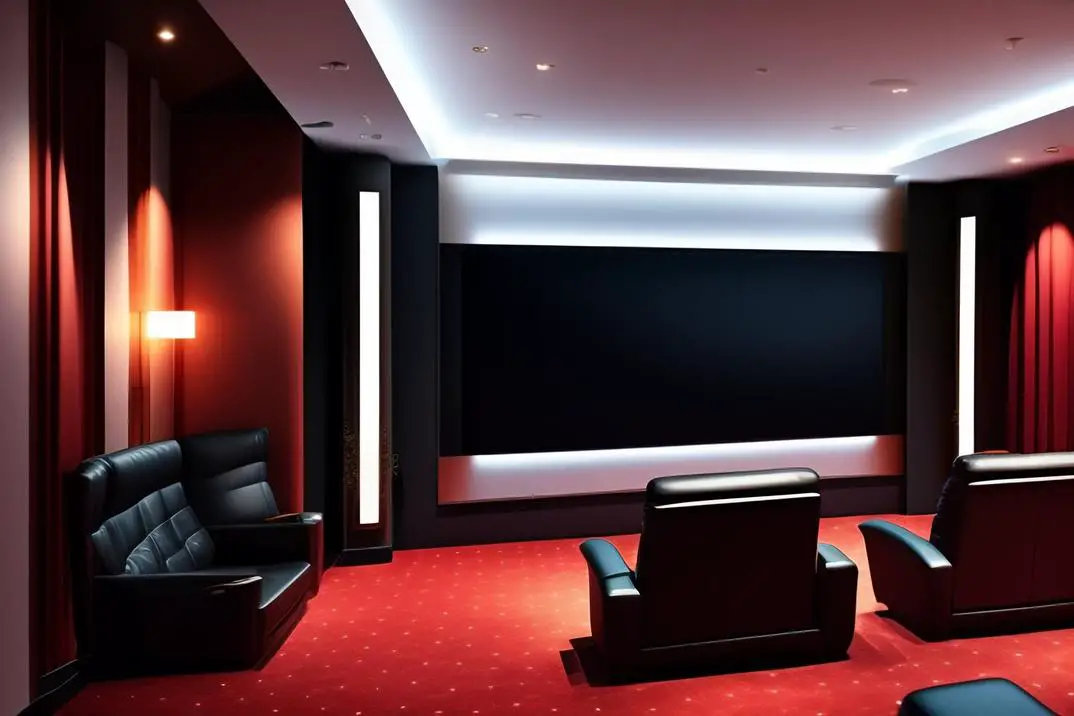
Acoustic panels are important for home theaters because they improve the sound quality by reducing echoes, reverberations, and other acoustic issues in the room. This enhances the overall audio experience and allows for better immersion in movies and music.
With the proper placement of acoustic panels, you can create a balanced and optimized sound environment in your home theater. Creating a home theater is a dream for many, a dedicated space where you can escape into the world of movies, tv shows, and music.
While investing in high-quality audio and video equipment is crucial, the importance of acoustic treatment often goes overlooked. Acoustic panels play a vital role in enhancing the sound quality and overall experience of a home theater. By effectively controlling sound reflections and echoes, acoustic panels create a more immersive and balanced audio environment. We will discuss why acoustic panels are important for home theaters and how they enhance the overall audio experience. Whether you’re a movie buff or a music lover, understanding the significance of acoustic panels will help you take your home theater to the next level.

Credit: sound-zero.com
The Importance Of Acoustic Panels In Home Theaters
Acoustic panels play a crucial role in home theaters by improving sound quality. They effectively reduce echo, early reflections, and combing, ensuring an immersive and high-quality audio experience. Proper placement of these panels is essential to avoid degrading the performance of multi-channel sound systems.
Home theaters are a haven for movie enthusiasts. The experience of watching movies and tv shows in the comfort of your own home, complete with surround sound and a high-definition display, is truly immersive. However, in order to truly enhance the audio experience and optimize sound quality, the importance of acoustic panels cannot be overstated.
These panels are an integral component of any home theater setup, offering a range of benefits that contribute to an exceptional viewing experience.
Enhancing Sound Quality In Home Theaters:
- Minimizing sound distortion: Acoustic panels are specifically designed to absorb and diffuse sound waves, reducing echoes and preventing them from bouncing off the walls and other surfaces. This helps to minimize sound distortion and ensures that the audio you hear is clear, crisp, and true to the original recording.
- Balancing audio frequencies: The placement of acoustic panels strategically throughout the room helps to achieve balanced audio frequencies. These panels absorb excessive bass frequencies, preventing them from overpowering the rest of the audio spectrum. As a result, you can enjoy a well-balanced sound experience, where every component of the audio, from dialogue to background music, is clear and distinct.
- Reducing unwanted noise: Home theaters are often located within residential spaces, where external noise can seep in and disrupt the viewing experience. Acoustic panels act as effective noise barriers, keeping unwanted sounds out and allowing you to fully immerse yourself in the movie or tv show of your choice.
Improving The Overall Audio Experience:
- Enhancing spatial awareness: Acoustic panels play a crucial role in creating a three-dimensional sound experience within your home theater. By absorbing excess sound reflections and reverberations, they ensure that audio cues, such as footsteps or the rustling of leaves, are accurately positioned in the soundstage. This enhances spatial awareness and adds depth to the overall audio experience.
- Smoother frequency response: Acoustic panels help to smooth out the frequency response of the room, ensuring that there are no significant peaks or dips in certain frequency ranges. This leads to a more natural and pleasing audio reproduction, where all elements of the soundtrack are faithfully represented without any distortion or muddiness.
- Optimizing speaker performance: By minimizing sound reflections and echoes, acoustic panels enable your speakers to perform at their best. They reduce the chances of sound waves interfering with each other and causing phase cancellations or comb filtering. This allows your speakers to deliver their intended sound signature accurately, resulting in a more enjoyable and immersive audio experience.
Reducing Echoes And Reverberations:
- Eliminating echo: Echoes occur when sound waves bounce off hard surfaces and return to our ears with a noticeable delay. Acoustic panels absorb these reflections, effectively reducing echo and enhancing the clarity of audio playback. This is especially important in home theaters with hard, reflective surfaces like concrete walls or hardwood floors.
- Managing reverberations: Reverberations refer to the persistence of sound in a room after the original sound source has stopped. Acoustic panels absorb excess reverberations, preventing the build-up of lingering sound reflections. This reduces blur and muddiness in the audio, ensuring that each sound is precisely defined and articulated.
Acoustic panels are essential for home theaters as they significantly enhance sound quality, improve the overall audio experience, and reduce echoes and reverberations. Whether you’re a casual movie lover or a dedicated audiophile, investing in acoustic panels can make a world of difference in your home theater setup.
How Acoustic Panels Work
Acoustic panels play a crucial role in enhancing the sound quality of home theaters. These panels absorb unwanted echoes and reverberations, creating a better listening experience. By strategically placing acoustic panels on the walls, you can achieve optimal sound distribution and clarity in your home theater setup.
Absorbing Sound Waves:
- Acoustic panels are designed to absorb sound waves, preventing them from bouncing off the walls and creating echoes in a home theater.
- When sound waves hit the panels, the materials inside them, such as foam or fiberglass, absorb the energy of the waves and reduce their intensity.
- This absorption helps to improve the overall sound quality in the room by reducing unwanted reflections and reverberations.
Reducing Reflections And Echoes:
- One of the main benefits of acoustic panels in home theaters is their ability to reduce reflections and echoes.
- Reflections occur when sound waves bounce off hard surfaces, such as walls or ceilings, and reach the listener’s ears at different times. This can cause the sound to be distorted or muddled.
- By strategically placing acoustic panels on the walls and ceilings, these reflections can be minimized, resulting in a clearer and more focused sound.
- Echoes, which are a type of reflection that occurs after a longer delay, can also be reduced by using acoustic panels.
Creating A Balanced And Immersive Sound Environment:
- Acoustic panels play a crucial role in creating a balanced and immersive sound environment in a home theater.
- By absorbing excessive sound energy and reducing reflections, they help to create a more even frequency response throughout the room.
- This means that the bass, midrange, and treble frequencies are reproduced more accurately, allowing the listener to experience the audio as intended by the content creators.
- The balanced sound environment created by acoustic panels enhances the clarity, detail, and depth of the audio, making the viewing experience more immersive and enjoyable.
Different Types Of Acoustic Panels For Home Theaters
Enhance your home theater experience with different types of acoustic panels. These panels are crucial for improving sound quality by reducing echo, reflections, and reverberation in the room, creating a more immersive and enjoyable audio environment.
Fabric-Wrapped Panels:
- Fabric-wrapped panels are one of the most common types of acoustic panels used in home theaters.
- These panels are made with a wooden frame and a layer of sound-absorbing material, which is then wrapped in an acoustically transparent fabric.
- The fabric comes in various colors and patterns, allowing you to choose a design that complements your home theater decor.
- Fabric-wrapped panels are effective in reducing echoes and reverberations in the room, improving the overall sound quality.
- They absorb high-frequency sound waves, making the audio clearer and more intelligible.
- Additionally, fabric-wrapped panels can enhance the aesthetics of your home theater, creating a visually appealing space for your entertainment needs.
Slotted Panels:
- Slotted panels are another popular option for treating acoustic issues in home theaters.
- These panels are designed with slots or grooves on the surface, which help in diffusing sound waves.
- Diffusion is important because it breaks up sound reflections and prevents them from bouncing back and forth in the room, creating a more balanced sound environment.
- Slotted panels come in various sizes and shapes, allowing you to customize the arrangement for optimal sound diffusion.
- These panels are typically made with wood or other rigid materials to ensure durability and effective sound diffusion.
- By installing slotted panels in your home theater, you can achieve a more natural and spacious sound experience.
Diffusion Panels:
- Diffusion panels are specifically designed to scatter sound waves in different directions, providing a sense of spaciousness and depth in your home theater.
- Unlike absorption panels that absorb sound energy, diffusion panels reflect sound in a controlled manner to eliminate echoes and standing waves.
- These panels come in various designs, such as geometric patterns or irregular surfaces, to break up sound reflections effectively.
- Diffusion panels are typically made with materials like wood or polycarbonate, which are acoustically transparent and durable.
- By strategically placing diffusion panels in your home theater, you can create a more immersive and enveloping audio experience for a true cinematic feel.
Incorporating fabric-wrapped panels, slotted panels, and diffusion panels into your home theater can significantly enhance both the acoustics and aesthetics of the space. These panels work together to absorb unwanted echoes, reduce reflections, and create more balanced sound distribution. With their versatility in design and functionality, acoustic panels are essential in creating a high-quality audio experience that truly brings movies to life.
Fabric-Wrapped Panels
Fabric-wrapped panels are essential for home theaters as they improve sound quality by reducing echoes and improving audio clarity. By effectively absorbing sound waves, these panels create a more immersive and enjoyable cinematic experience.
Softening Sound Reflections:
- Acoustic panels are crucial in home theaters for softening sound reflections.
- They absorb sound waves that bounce off hard surfaces, reducing echo and reverberation.
- By minimizing sound reflections, acoustic panels enhance the overall sound quality of the theater.
- They create a more balanced and immersive listening experience for viewers.
- With acoustic panels, the audio in your home theater will be clear, crisp, and free from unwanted echoes.
Enhancing Aesthetics In Home Theaters:
- Fabric-wrapped panels are an excellent choice for home theaters as they enhance the overall aesthetics.
- These panels come in a wide variety of colors, patterns, and designs, allowing you to customize the look of your theater.
- By incorporating fabric-wrapped panels, you can create a visually pleasing and inviting theater space.
- They add a touch of sophistication and elegance to the room, elevating its overall appeal.
- Fabric-wrapped panels not only improve the acoustic performance but also contribute to the overall aesthetics of your home theater.
Providing Sound Absorption In A Wide Frequency Range:
- Fabric-wrapped panels excel in providing sound absorption in a wide frequency range.
- They effectively absorb sound waves across various frequencies, from low to high.
- This ensures that the panels can address a wide range of acoustic issues in your home theater.
- By absorbing sound, these panels reduce echoes and reverberations, resulting in a more controlled and balanced audio experience.
- Whether you’re watching a movie or enjoying your favorite music, fabric-wrapped panels will ensure optimal sound quality in your home theater.
Fabric-wrapped acoustic panels are essential for home theaters due to their ability to soften sound reflections, enhance aesthetics, and provide sound absorption in a wide frequency range. By incorporating these panels into your home theater, you can achieve optimal audio performance while creating a visually appealing and immersive theater environment.
Slotted Panels
Slotted panels are essential for home theaters as they help to improve the acoustic quality of the room. By reducing echo, early reflections, and combing, these panels ensure a more immersive and high-quality sound experience for a truly cinematic atmosphere.
Controlling Low-Frequency Sound Waves:
- Low-frequency sound waves can cause issues in home theaters, such as muddiness or a lack of clarity in the audio.
- Slotted panels are designed to absorb and control these low-frequency sound waves.
- They feature narrow vertical slots that trap the sound waves and prevent them from bouncing around the room.
- This ensures a more clean and focused sound, allowing for a better listening experience.
Minimizing Bass Buildup And Uneven Sound Distribution:
- Bass buildup can occur in home theaters, leading to an overpowering and boomy sound.
- Slotted panels help to minimize this issue by absorbing excess bass frequencies.
- The vertical slots effectively trap and dissipate the low-frequency energy, preventing it from building up in specific areas of the room.
- This ensures a more even sound distribution, with bass frequencies being properly balanced throughout the space.
Adding A Modern And Sleek Design Element:
- In addition to their acoustic benefits, slotted panels also add a modern and sleek design element to home theaters.
- These panels come in various sizes and finishes, allowing homeowners to choose the ones that best complement their decor.
- With their clean lines and contemporary look, these panels can enhance the overall aesthetics of the space.
- They can be seamlessly integrated into the walls or ceilings, creating a cohesive and visually appealing environment.
Slotted panels play a crucial role in home theaters by controlling low-frequency sound waves, minimizing bass buildup, and adding a modern design element. Their ability to absorb and dissipate excess bass frequencies ensures a balanced and immersive sound experience. Additionally, the sleek and contemporary design of these panels enhances the overall aesthetics of the space, making them a valuable addition to any home theater setup.
Diffusion Panels
Acoustic panels are essential for home theaters because they help control sound reflections and improve the overall audio quality. By strategically placing diffusion panels on the walls, you can create a balanced sound environment and enhance your cinematic experience.
Scattering Sound Waves
- Diffusion panels are designed to scatter sound waves in various directions, preventing them from bouncing directly back to the listener.
- This scattering effect helps to eliminate echoes and standing waves, resulting in a more even sound distribution throughout the home theater.
- By diffusing sound waves, the panels help to reduce flutter echoes and other acoustic anomalies that can negatively impact the overall sound quality.
Creating A Spacious And Natural Sound Environment
- Diffusion panels play a crucial role in creating a spacious and natural sound environment in home theaters.
- They help to break up the sound reflections in the room, making the sound feel more enveloping and immersive.
- By diffusing the sound waves, the panels prevent excessive build-up of sound energy in certain areas, leading to a more balanced and organic sound experience.
Enhancing Stereo Imaging And Depth Perception
- One of the key benefits of diffusion panels is their ability to enhance stereo imaging and depth perception in home theaters.
- These panels scatter sound waves in a way that creates a more defined and precise soundstage.
- By breaking up the sound reflections, diffusion panels improve the localization of sound, allowing the listener to perceive the exact position of different audio elements within the sound field.
- This enhanced stereo imaging adds depth and realism to the listening experience and makes it easier to distinguish individual instruments and voices.
Diffusion panels are essential for improving the acoustics of home theaters. They scatter sound waves, creating a more even sound distribution, reducing echoes, and enhancing stereo imaging and depth perception. These panels help to create a spacious and natural sound environment, ensuring a highly immersive and enjoyable audio experience for home theater enthusiasts.
Placement And Installation Tips For Acoustic Panels In Home Theaters
Enhance your home theater experience with expert placement and installation tips for acoustic panels. These panels are essential for reducing echo and improving sound quality, creating a truly immersive audio environment without relying on dsp solutions.
Strategic Placement For Optimum Sound Absorption:
- Place acoustic panels at first reflection points: The first reflection points are the surfaces where sound bounces off directly from the speakers to your ears. By strategically placing acoustic panels at these points, you can prevent sound reflections and improve sound clarity.
- Install panels on side walls: Side walls are major contributors to sound reflections. Installing acoustic panels on side walls can effectively absorb sound and reduce echo.
- Consider ceiling and floor treatment: Sound can also bounce off the ceiling and floor, affecting the overall sound quality. Installing acoustic panels on the ceiling and using rugs or carpets on the floor can help minimize sound reflections and improve the theater experience.
Treating Primary Reflection Points:
- Identify primary reflection points: Primary reflection points are the surfaces where sound bounces off before reaching your ears. These points usually include walls directly facing the speakers and the ceiling above the listening area.
- Place panels at primary reflection points: By placing acoustic panels at these primary reflection points, you can effectively absorb sound reflections and reduce the negative impact on sound quality.
- Use professional guidance for accurate placement: For optimal results, it’s recommended to consult with acoustic professionals who can help identify the exact primary reflection points and guide you on the precise placement of acoustic panels.
Balancing Absorption And Diffusion:
- Understand the importance of diffusion: While absorption is crucial for reducing sound reflections, diffusion plays a significant role in creating a more balanced and immersive sound environment. Diffusion helps scatter sound waves, preventing them from reflecting back directly into the listening area.
- Combine absorption and diffusion: To achieve the best acoustic performance in your home theater, it’s important to balance absorption and diffusion. Use a combination of absorption panels and diffusers to ensure sound is both absorbed and diffused effectively.
- Experiment with panel placement: Finding the right balance of absorption and diffusion may require some experimentation. Adjust the placement of panels to achieve the desired sound quality and balance in your home theater.
- Consider panel design and material: Different types of acoustic panels offer varying degrees of sound absorption and diffusion. It’s important to choose panels that match your specific needs and aesthetic preferences.
By following these placement and installation tips, you can optimize your home theater’s acoustic environment and enhance your overall viewing and listening experience.
Placement For Optimum Sound Absorption
Optimize your home theater experience with acoustic panels for optimum sound absorption. These panels help reduce echo, early reflections, and combing, enhancing the stereo image and creating a more immersive and enjoyable cinematic environment. Ensure proper panel placement for maximum effectiveness.
Acoustic panels play a crucial role in creating the perfect sound environment for your home theater. Proper placement of these panels is essential to maximize their effectiveness in absorbing unwanted echoes, reflections, and reverberations. Here’s how you can achieve optimum sound absorption with acoustic panel placement:
Identifying problem areas in the room:
- Walk around your home theater room and listen for areas where sound reflection and echo are prominent. These problem areas are usually characterized by hard surfaces such as bare walls, windows, or glass doors.
- Pay attention to corners and alcoves, as sound tends to build up and bounce off these surfaces, causing distortion in the audio quality.
Placing panels on side and rear walls:
- Once you have identified the problem areas, the first step is to install acoustic panels on the side and rear walls. This placement helps in reducing echoes and reflections that occur when sound waves bounce off these surfaces.
- Ideally, you should cover about 15% of each wall with acoustic panels. This percentage ensures that the panels effectively absorb excess sound while maintaining a balanced acoustic environment.
Considering ceiling and floor treatments:
- To further enhance sound absorption, it is essential to address the ceiling and floor areas as well. Hard surfaces on the ceiling and floor can cause sound to bounce back and interfere with the overall audio experience.
- Install acoustic panels on the ceiling, especially directly above the listening area or seating arrangement. This placement helps in reducing the vertical reflections that can affect the clarity of the sound.
- For the floor, consider using dense rugs or carpets to minimize sound reflections. These materials absorb sound waves and prevent them from bouncing back into the space.
Remember, a well-balanced acoustic environment is key to achieving optimal sound quality in your home theater. By strategically placing acoustic panels on the side and rear walls, and considering treatments for the ceiling and floor, you can create a truly immersive audio experience.
Treating Primary Reflection Points
Acoustic panels play a crucial role in home theaters by treating primary reflection points. These panels help to reduce echo, early reflections, and combing issues, improving the overall sound quality and creating an immersive experience for the viewers.
Reflection Points And Their Impact On Sound Quality:
When setting up a home theater, it’s essential to consider the reflection points within the room. These are areas where sound waves bounce off surfaces and interfere with the intended audio experience. Failure to address reflection points can result in poor sound quality, reduced clarity, and an overall subpar viewing experience.
By treating these primary reflection points, you can significantly improve the acoustics of your home theater.
Placing Panels At First Reflection Points On Side Walls:
One effective way to treat reflection points is by strategically placing acoustic panels at the first reflection points on the side walls. These are the locations where sound waves first hit after leaving the speakers and before reaching your ears.
By installing panels at these points, you can reduce the amount of sound reflection and minimize the negative impact it has on the audio experience. Here are key steps to consider when placing panels:
- Identify the first reflection points: Sit in your listening position and have someone hold a mirror against the side walls. When you can see the speakers in the mirror, mark those points as the first reflection points.
- Install panels: Mount acoustic panels at these marked points on the side walls, ensuring they cover a significant area of each reflection point.
- Optimal panel placement: Utilize panels that are specifically designed for sound absorption and place them at a slight angle for maximum sound dispersion.
Addressing Ceiling And Floor Reflection Points:
In addition to treating the side wall reflection points, it’s crucial to address the reflection points on the ceiling and floor. These areas can significantly impact the sound quality and overall immersion of your home theater experience. Here are some tips to consider when dealing with ceiling and floor reflection points:
- Ceiling reflection points: Install acoustic panels on the ceiling to reduce the amount of sound reflection. Aim to cover areas above the seating area and primary listening zone.
- Floor reflection points: Place rugs or carpeting on the floor to absorb sound and minimize the impact of sound waves bouncing off flat surfaces. Additionally, consider using floor-standing acoustic panels or bass traps to further reduce reflections.
By treating the reflection points on the side walls, ceiling, and floor, you can enhance the acoustics of your home theater and create a more immersive audio experience. Implementing these measures will significantly improve sound quality, allowing you to enjoy your favorite movies and music to the fullest.
Balancing Absorption And Diffusion
Achieving the perfect balance of sound absorption and diffusion is crucial in home theaters. Acoustic panels play a significant role in improving the overall acoustics by reducing echo, early reflections, and combing, while enhancing the stereo image and immersive experience.
Achieving A Balanced And Natural Sound Environment
Acoustic panels play a crucial role in creating an optimal sound environment for home theaters. When it comes to sound quality, achieving a balanced and natural sound is essential. This is where the concept of absorption and diffusion comes into play.
Combining Absorptive And Diffusive Panels
To achieve the perfect balance, a combination of absorptive and diffusive panels is necessary. These panels work together to control the way sound behaves in a room. Here’s how they contribute:
- Absorptive panels: These panels absorb sound waves, reducing echoes and reverberations. They are typically made of materials like foam, fabric, or fiberglass. Absorptive panels help to eliminate unwanted reflections, creating a more focused and immersive sound experience.
- Diffusive panels: Unlike absorptive panels, diffusive panels scatter sound waves in different directions. This helps to avoid excessive absorption and create a sense of spaciousness in the room. Diffusive panels are designed with irregular surfaces, such as slats or convex shapes, to scatter sound evenly throughout the space.
By combining absorptive and diffusive panels strategically, you can control the reflections, reverberations, and echoes in your home theater. This leads to improved clarity, better sound localization, and a more immersive listening experience.
Experimentation And Fine-Tuning For The Best Results
It’s important to note that every room is unique, and the optimal placement and combination of acoustic panels may vary. Experimentation is key to achieving the best results in your home theater setup. Consider the following tips:
- Start by placing absorptive panels at the primary reflection points, which are the surfaces where sound directly reflects off and reaches your ears.
- Add diffusive panels on the walls or ceiling to scatter sound and create a more natural, spacious sound environment. Experiment with different panel placements to find the sweet spot.
- Fine-tune your setup by listening to various audio sources and adjusting the position of the panels accordingly. Small adjustments can make a significant difference in the sound quality.
Remember, achieving the perfect balance between absorption and diffusion is a matter of trial and error. Don’t be afraid to experiment and fine-tune your setup until you find the optimal configuration for your home theater.
Acoustic panels are crucial for home theaters as they help in achieving a balanced and natural sound environment. By combining absorptive and diffusive panels and experimenting with their placement, you can enhance the sound quality and create an immersive listening experience in your home theater setup.
Diy Vs Professional Installation Of Acoustic Panels
Enhance your home theater experience with acoustic panels. Whether you choose diy or professional installation, these panels dampen echoes and improve sound quality, creating a more immersive and enjoyable movie-watching environment.
Pros And Cons Of Diy Installation:
- Cost-effective: Diy installation of acoustic panels can save you money as you won’t have to hire professionals for the job.
- Personalization: Diy allows you to customize the design and placement of the acoustic panels according to your preferences.
- Easy installation: Acoustic panels are generally straightforward to install, requiring minimal tools and expertise.
- Flexibility: You have the freedom to experiment with different panel placements to achieve optimal acoustic performance.
However, there are also a few potential downsides to consider:
- Lack of expertise: Without professional guidance, it may be challenging to accurately assess the acoustic needs of your home theater.
- Limited knowledge: Diy installers might not have the necessary understanding of room acoustics to achieve the best results.
- Time-consuming: Installing acoustic panels yourself can be time-consuming, especially if you have little experience with home improvement projects.
- Margin for error: Without professional measurements and techniques, there is a higher chance of improper panel placement, which can negatively impact acoustic performance.
Benefits Of Professional Installation:
- Expert knowledge: Professional installers are experienced in assessing room acoustics and can provide precise recommendations for panel placement.
- Optimal results: By relying on professionals, you can ensure that the acoustic panels are strategically placed to optimize sound quality in your home theater.
- Time-saving: Hiring professionals will save you time, as they have the necessary expertise to efficiently install acoustic panels.
- Access to premium materials: Professionals often work with high-quality acoustic products that may not be readily available to diy installers.
However, it’s important to consider the following factors when opting for professional installation:
- Cost: Hiring professionals for acoustic panel installation can be more expensive than diy, as you will need to pay for their expertise and labor.
- Limited personalization: Professionals may follow a standard approach to acoustic panel placement, limiting your ability to customize the design according to your preferences.
Ultimately, the decision between diy and professional installation of acoustic panels for your home theater depends on your budget, time constraints, and expertise in room acoustics.
Frequently Asked Questions On Why Acoustic Panels Are Important For Home Theaters
What Are The Benefits Of Acoustic Panels In Home Theater?
Acoustic panels are beneficial in home theaters for several reasons. First, they improve sound quality by reducing echo and reverberation, ensuring that you hear clear and crisp audio. Second, they minimize unwanted noise from outside sources, creating a more immersive experience.
Third, acoustic panels help to balance the sound distribution in the room, enhancing the overall acoustics and ensuring that every seat in the theater delivers an optimal listening experience. Fourth, they improve the frequency response by absorbing excess bass and reducing standing waves, creating a more balanced soundstage.
Lastly, they enhance the aesthetics of the room by adding a stylish and professional touch. By carefully placing acoustic panels throughout the space, you can create a cinematic environment that allows you to fully enjoy your favorite movies and music.
Is Acoustic Foam Good For A Home Theater?
Acoustic foam is beneficial for a home theater as it helps improve the sound quality. The foam absorbs unwanted echoes and reverberations, creating a more balanced and immersive audio experience. It also reduces reflections, minimizing distortions and enhancing clarity. By placing acoustic foam on the walls, ceiling, and even the floor, you can achieve better sound isolation and prevent sound from leaking into neighboring rooms or disturbing other household members.
Additionally, acoustic foam can help control the bass frequencies, making the audio more defined and preventing excessive boomy or muddy sounds. Overall, adding acoustic foam to a home theater setup is a cost-effective way to enhance the audio performance and create a more enjoyable cinematic experience.
How Many Acoustic Panels Do I Need Home Theater?
Acoustic panels are essential for home theaters because they improve sound quality and reduce echo. For optimal acoustic treatment, it is recommended to cover approximately 15% of each wall with absorbers and another 15% with diffusion. This combination helps to absorb excess sound waves and scatter them evenly, preventing sound reflections and creating a balanced audio experience.
By strategically placing acoustic panels, you can enhance the immersive effect of your home theater and enjoy high-quality sound reproduction.
Why Do We Need Acoustic Panels?
Acoustic panels are essential for improving sound quality in home theaters. They serve several purposes, including reducing echo, minimizing reflections, and controlling sound diffusion. By strategically placing panels on the walls, ceiling, and even in corners, you can create an optimal acoustic environment.
These panels absorb excess sound waves, preventing them from bouncing around the room and causing unwanted distortion or reverberation. With proper installation, acoustic panels enhance the overall listening experience, making the sound more clear, balanced, and immersive. They are particularly beneficial in home theaters where multi-channel sound systems are used.
By addressing acoustic issues, such as echo and combing, acoustic panels help create a well-balanced stereo image and improve the overall sound quality. When it comes to setting up a home theater, investing in acoustic panels is a practical solution to achieve optimal sound performance.
Conclusion
Acoustic panels are a crucial aspect of any home theater setup. They play a significant role in enhancing the overall sound quality and ensuring an immersive audio experience. By effectively absorbing and diffusing sound waves, these panels eliminate echoes, reduce reverberation, and minimize unwanted noises.
This allows viewers to fully immerse themselves in the movie or music without distractions. Moreover, acoustic panels also help to improve the clarity and accuracy of sound reproduction, allowing you to hear every detail and nuance in the audio. Whether you have a dedicated home theater room or a multipurpose living space, investing in acoustic panels is essential for achieving optimal sound performance.
With the right placement and quantity of panels, you can create a balanced and harmonious acoustic environment that maximizes the potential of your home theater system. So, if you want to take your home theater experience to the next level, don’t overlook the importance of acoustic panels.